 Discus
 Cichlids
 Angelfish
 Plecos & Catfish
 Community & Nano Fish
 Shrimp, Snails & Invertebrates
 Low-Tech Plants
 Medium-Tech plants
 High-Tech Plants
 Live Corals
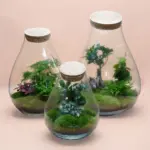
 Terrarium Kits & Jars
 Terrarium Plants & Moss
 Bioactive Clean-up Crew


 Smart Control Systems
 Lighting
 Filtration
 Heaters
 Chiller & Cooling Fans
 Thermometers
 Air Pumps
 Wavemaker
 Protein Skimmer

 CO2 Diffusers
 CO2 Accessories & Drop Checkers
 Liquid Carbon & CO2 Alternatives





 Soil & Substrate
 Driftwood & Rocks
 Caves & Clays
 Filter Media, Sponge & Replacement Parts
 Tubing & Connectors



The Complete Guide to Using Moss in Terrariums and Paludariums

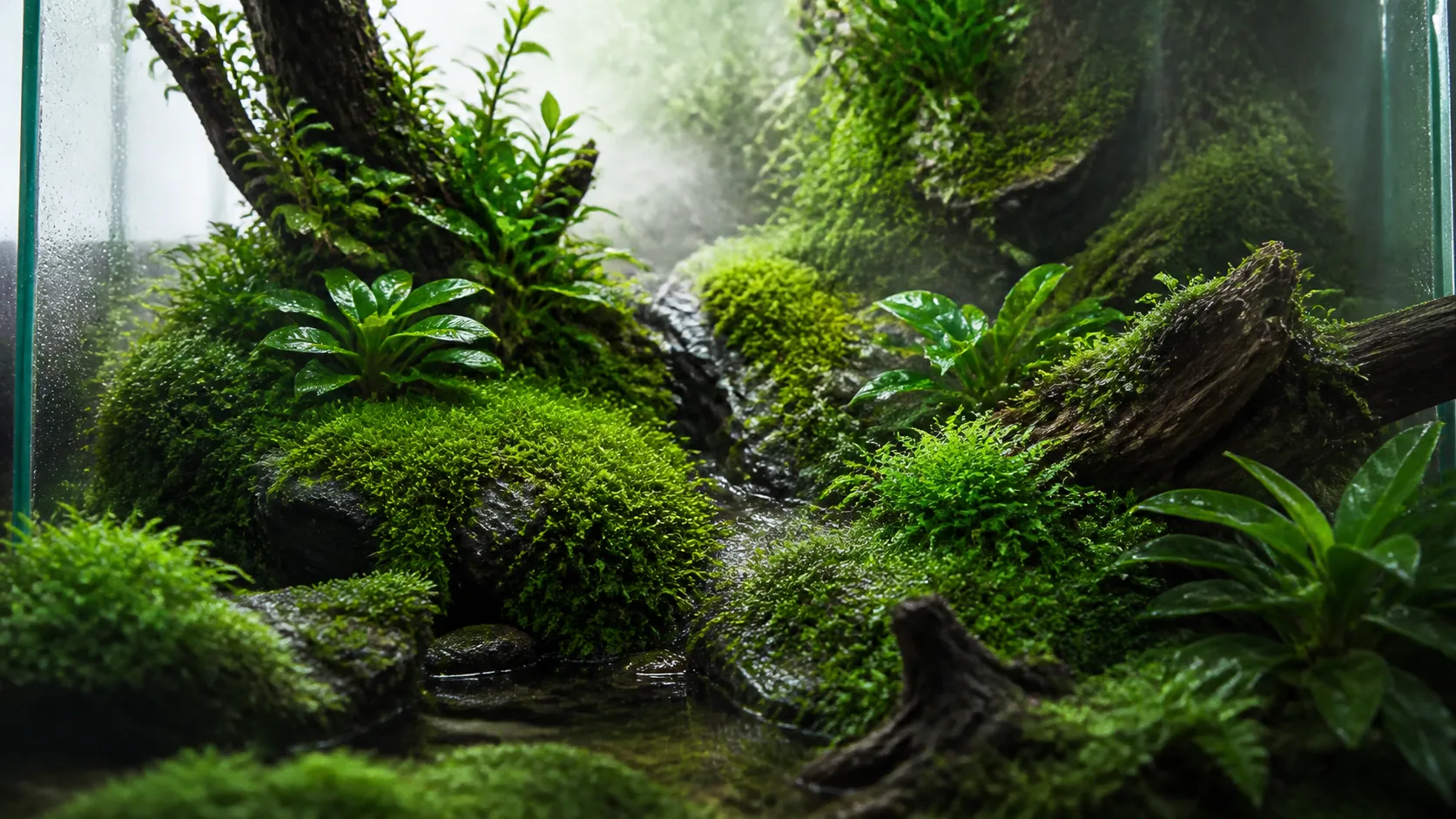
The Complete Guide to Using Moss in Terrariums and Paludariums
Table of Contents
- Terrestrial Moss vs. Aquarium Moss: Know the Difference
- Why Moss Matters in a Terrarium or Paludarium
- Star Moss (Syntrichia ruralis): Profile and Best Uses
- Forest Moss: Profile and Best Uses
- Star Moss vs. Forest Moss: Which Should You Choose?
- How to Attach and Arrange Moss
- Humidity, Light, and Watering Requirements
- Common Beginner Mistakes
- Long-Term Moss Maintenance
- Frequently Asked Questions
Terrestrial Moss vs. Aquarium Moss: Know the Difference
Before buying any moss, it helps to understand that “aquarium moss” and “terrarium moss” are not interchangeable. Popular aquatic mosses like Java Moss, Christmas Moss, and Flame Moss are grown to live permanently submerged, tied to driftwood or rocks underwater.
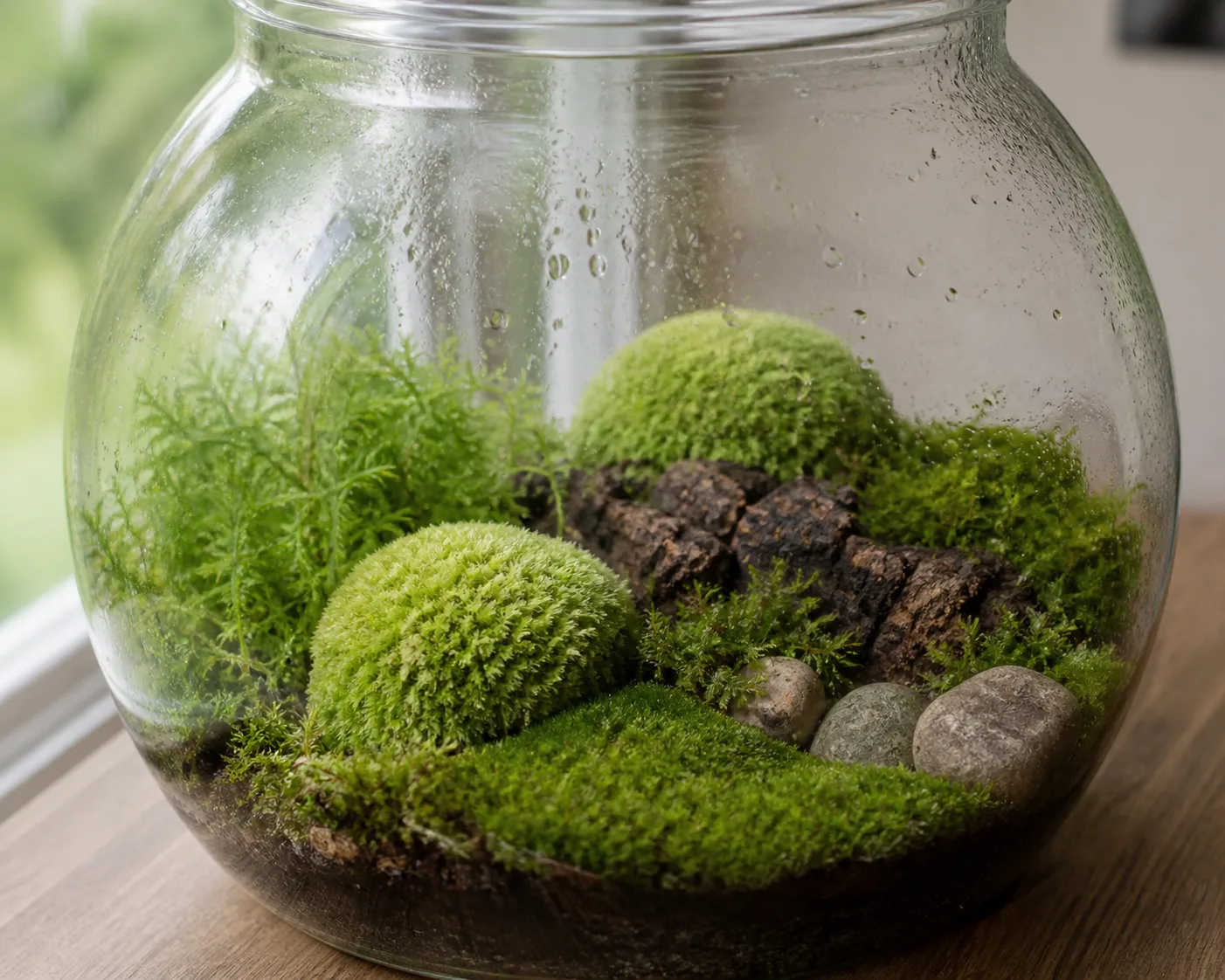
Star Moss and Forest Moss are different: they are terrestrial mosses. They grow on land in humid, shaded environments and are not designed for permanent submersion. Used correctly, on land inside a terrarium, paludarium land area, or bioactive vivarium, they form a dense, realistic ground cover that aquatic mosses simply cannot replicate above the waterline.
Why Moss Matters in a Terrarium or Paludarium
Moss does more than fill empty space. In a closed or semi-closed environment, it plays several practical roles:
- Holds and slowly releases moisture, buffering humidity swings
- Softens harsh substrate edges and hides equipment like drainage layers or false bottoms
- Provides a natural hiding and foraging surface for isolates, springtails, and small invertebrates in bioactive setups
- Anchors small epiphytic plants and helps prevent substrate erosion on slopes
- Gives the whole build a mature, established look almost immediately, long before other plants fill in
According to general terrarium husbandry guidance from keepers at Tropica and community resources like The 2Hr Aquarist, humidity stability is one of the biggest factors separating a thriving planted enclosure from one that constantly needs correction. A healthy moss layer is one of the simplest ways to add that buffer.
Star Moss (Syntrichia ruralis): Profile and Best Uses
Star Moss gets its name from its distinctive star-shaped growth pattern, visible when the leaves fan open in humidity. It forms dense, slightly raised cushions rather than a flat mat, which gives a terrarium floor real visual texture.
One of its most striking features is how dramatically it changes with moisture. When dry, Star Moss curls inward and takes on a silvery or brown color, almost looking dead. Mist it, and within minutes it unfurls back to vibrant green — a resurrection response typical of many drought-tolerant mosses.
Recommended Product
Best uses for Star Moss:
- Closed and open terrariums where texture and a “cushion” look are wanted
- Bonsai display trays and fairy gardens
- Accent moss on rockwork, rather than covering the entire floor
Forest Moss: Profile and Best Uses
Forest Moss takes a different approach: instead of raised cushions, it grows as a soft, even mat that mimics an actual forest floor. Its texture is finer and its color a more consistent deep green, which makes it the better choice when the goal is a continuous, natural-looking carpet rather than an accent feature.
Because it tolerates a broader range of humidity than some fussier mosses, Forest Moss is well suited to bioactive enclosures, where it also creates natural hiding spots for small reptiles, amphibians, and invertebrates while protecting the roots of surrounding plants.
Recommended Product
Best uses for Forest Moss:
- Full-floor carpeting in paludariums and bioactive vivariums
- Woodland-style terrarium themes
- Enclosures housing small reptiles, amphibians, or invertebrates that benefit from ground cover
Star Moss vs. Forest Moss: Which Should You Choose?
Both are premium natural mosses sold in the same 50g pack size, and both need broadly similar care. The decision usually comes down to the look you want and where the moss will sit in your layout.
- Want a raised, textured, star-patterned accent? Choose Star Moss.
- Want a flat, even, forest-floor carpet across the whole base? Choose Forest Moss.
- Building a large paludarium land area? Many hobbyists use both — Forest Moss as the base carpet, Star Moss as an accent on raised hardscape or stumps.
- Working on a bonsai tray or fairy garden? Star Moss’s cushion shape reads better at a small scale.
How to Attach and Arrange Moss
Neither Star Moss nor Forest Moss needs to be “planted” the way a rooted plant does. Moss lacks true roots — it absorbs moisture and nutrients through its leaf surface (a structure botanists call a rhizoid, not a root), so your job is simply to keep it in contact with a damp surface until it naturally binds itself down.
- Rehydrate first. Lightly mist the moss for a few minutes before handling. Dry moss is brittle and breaks apart when separated.
- Divide into smaller clumps. Gently pull the moss into pieces roughly 2 to 4 cm across. Smaller clumps root down to the substrate faster and more evenly than one large mat.
- Press firmly onto damp substrate or hardscape. Push each piece against the surface with light, even pressure. On flat substrate this is enough; on rocks or wood, continue to the next step.
- Secure to hardscape if needed. On smooth stone or driftwood, moss can slide off before it attaches. Thin cotton thread, moss glue, or a small dab of cyanoacrylate (“super glue”) gel at the very base of the clump will hold it in place until it naturally grips the surface — usually within two to four weeks.
- Keep consistently damp during establishment. The first two to three weeks are the most important. Mist at least once daily until you see new, upright growth, which signals the moss has anchored itself.
Humidity, Light, and Watering Requirements
Both Star Moss and Forest Moss are forgiving compared to many terrarium plants, but they still have real requirements.
Humidity
Aim for consistently high ambient humidity — moss performs best in enclosed or semi-enclosed environments where moisture doesn’t evaporate immediately. In a fully open setup, humidity will need more frequent manual misting to compensate.
Light
Bright, indirect light suits both species well. Avoid placing terrariums in direct sun through a window: glass and enclosed air intensify heat quickly, and moss scorches and bleaches long before most terrarium plants show stress.
Watering
Use dechlorinated or RO (reverse osmosis) water rather than straight tap water where possible. Chlorine and heavy mineral content can leave residue on moss leaves over time and dull its color. Mist rather than pour — moss should stay evenly damp, never sitting in standing water.
Common Beginner Mistakes
- Treating terrestrial moss like an aquatic plant and keeping it fully submerged
- Letting the moss dry out completely for extended periods before it has established
- Placing the terrarium in direct sunlight
- Using unfiltered tap water for every misting session
- Handling dry, brittle moss roughly instead of rehydrating it first
- Skipping the first two to three weeks of frequent misting while the moss anchors itself
- Never trimming, which leaves dead brown patches to spread across healthy sections
Long-Term Moss Maintenance
Once established, moss is one of the lowest-maintenance elements in a terrarium, but a little regular attention keeps it looking its best.
- Mist on a consistent schedule rather than irregularly — consistency matters more than frequency.
- Trim away dead, brown, or matted sections with small scissors to encourage fresh growth underneath.
- Check for mold or algae film if the enclosure stays too wet for too long, and increase airflow if you see it.
- Divide and spread thriving moss to bare patches elsewhere in the layout — both species propagate easily from healthy clippings.
- Reassess lighting seasonally, since natural light through a window shifts angle and intensity through the year.
Frequently Asked Questions
Can I use Star Moss or Forest Moss underwater in an aquarium?
No. Both are terrestrial mosses intended for land use in terrariums, paludariums, and vivariums. For a submerged aquascape, choose an aquatic species such as Java Moss or Christmas Moss instead.
How long does it take moss to attach to hardscape?
Most terrestrial moss anchors itself within two to four weeks of consistent misting, signaled by new upright growth. Using a small amount of moss glue or thread speeds up the process by holding it in place while it roots.
Why did my moss turn brown or silvery?
This is usually a normal drought response, not death. Both Star Moss and Forest Moss curl and change color when dry, then green up again within minutes of misting. If it stays brown after rehydrating for several days, trim the affected section away.
Do I need CO2 or fertilizer for terrarium moss?
No. Unlike aquatic plants, terrestrial moss doesn’t need injected CO2 or liquid fertilizer. Humidity, indirect light, and clean water cover its needs.
Can I mix Star Moss and Forest Moss in the same enclosure?
Yes. Many hobbyists combine them deliberately — Forest Moss as a flat base carpet and Star Moss as a textured accent on raised hardscape, stumps, or bonsai-style features.
What water should I use to mist moss?
Dechlorinated or RO water is best. Tap water is usable in many areas but can leave mineral residue on the moss surface over time, especially in hard water regions.
Is a 50g pack enough to cover a terrarium floor?
A 50g pack is enough for accent placement or a partial carpet in most small to medium terrariums. For a full-floor carpet in a larger paludarium, plan for multiple packs, or use one species as a base and let it spread naturally over time.
Conclusion
Moss is one of the fastest ways to make a terrarium or paludarium feel established, natural, and finished — without the complexity of rooted plants. The key is remembering that Star Moss and Forest Moss are terrestrial species: they belong on land, in humid, indirect light, kept consistently damp rather than submerged or soaked.
Start with small, well-hydrated clumps, be patient through the first few weeks of establishment, and keep up a simple misting routine. Whether you choose Star Moss for its textured cushions, Forest Moss for its even forest-floor carpet, or both together, the payoff is a build that looks mature and alive far sooner than most other terrarium elements allow.
If you’re planning a new terrarium or paludarium build, explore our terrestrial moss options alongside the rest of our live plants and substrate selection to put together everything you need in one order.
Recommended Products
- Star Moss (Syntrichia ruralis) – 50g
- Forest Moss – 50g
- Sphagnum Moss – 25g (for humidity retention in substrate layers)
- Java Moss (for aquatic/submerged sections of a paludarium)
- Soil & Substrate Collection
- Live Plants Collection