

 Smart Control Systems
 Lighting
 Filtration
 Heaters
 Chiller & Cooling Fans
 Thermometers
 Water Pumps
 Air Pumps
 Wavemaker


 Low-Tech Plants
 Medium-Tech plants
 High-Tech Plants

 CO2 Diffusers


 Soil & Substrate
 Driftwood & Rocks
 Caves & Clays
 Filter Media, Sponge & Replacement Parts
 Tubing & Connectors


Nano and Pico Aquarium Setup Guide

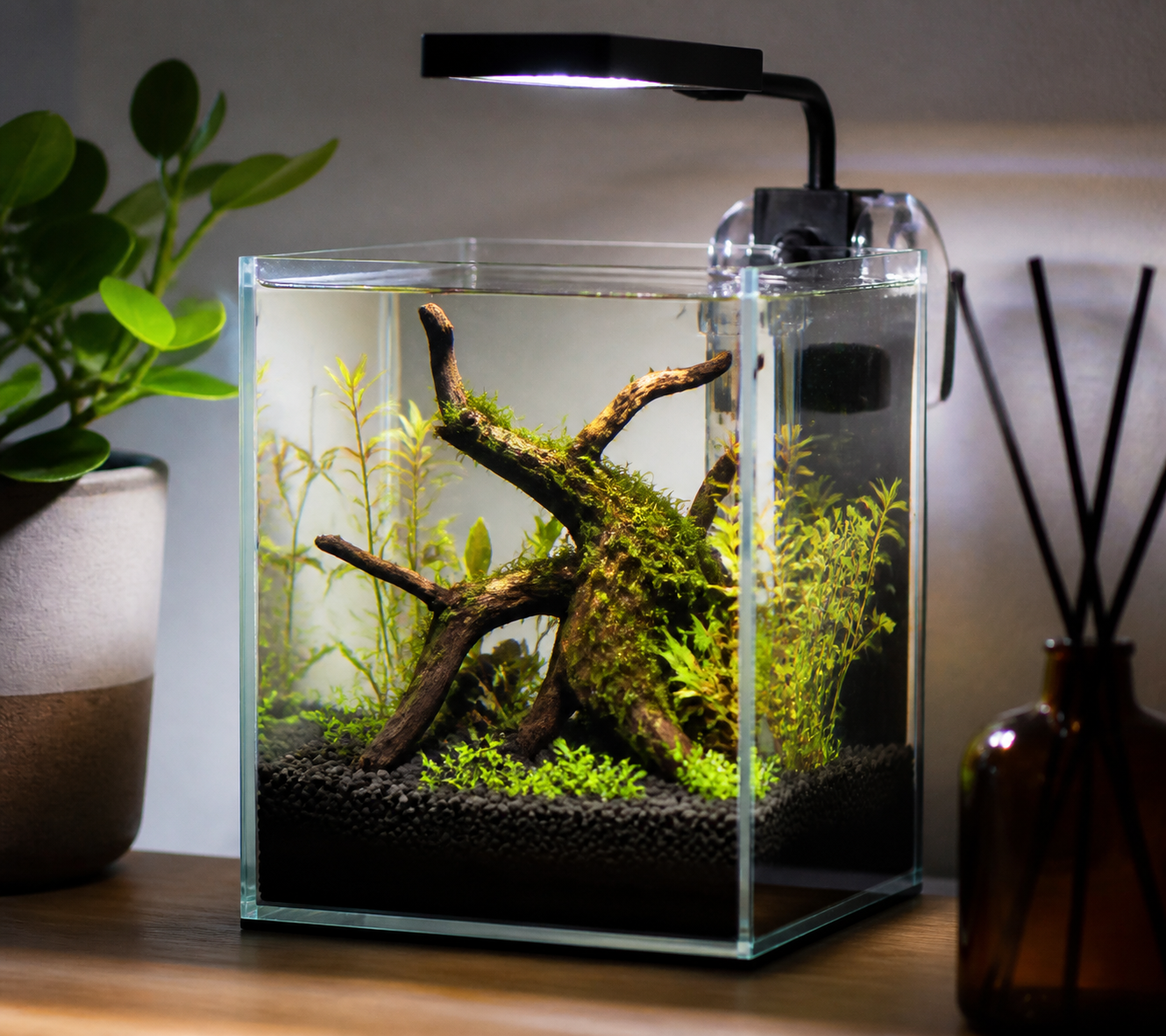
Small doesn’t mean simple. A nano or pico aquarium fits on a desk or a shelf where a full-size tank never could, and done right it can be just as stable as a much larger setup. The trick is understanding that less water means less buffer against mistakes — every parameter swings faster, so the right gear and a tight routine matter more here than almost anywhere else in the hobby.
Table of Contents
- What Counts as Nano or Pico?
- Why Small Tanks Are Actually Harder
- Essential Equipment
- What Can You Actually Keep?
- Maintenance Routine
- Common Nano Tank Mistakes
- FAQ
Nano and Pico Aquarium Setup Guide
What Counts as Nano or Pico?
There’s no official rulebook, but hobbyists generally agree on rough bands: pico tanks are under 10 liters (a jar, a mini cube, a desktop bowl), nano tanks run roughly 10–40 liters, and anything above that starts moving into standard small-tank territory. Both categories share the same core challenge — small water volume amplifies every change instead of diluting it.
Why Small Tanks Are Actually Harder
A 200-liter tank can absorb a missed water change, a slightly overfed day, or a heater blip without much drama — there’s simply more water to buffer the mistake. A 15-liter nano tank has none of that cushion. Ammonia spikes faster, temperature swings faster, and evaporation alone can meaningfully shift salinity and hardness over just a few days. This is exactly why nano tanks are often marketed as “beginner friendly” but are actually better suited to someone who already understands the nitrogen cycle and is willing to stay on top of a tighter routine — see our nitrogen cycle guide before stocking anything.
Essential Equipment
Every piece of gear below needs to be sized down, not just scaled down in price — a full-size heater or filter is not just overkill in a nano tank, it can actively overheat the water or create a current too strong for small fish and shrimp to handle.
- Tank: a purpose-built nano/pico tank with a tight-fitting lid (small tanks evaporate fast, and jumping fish/shrimp escape more easily from an open top).
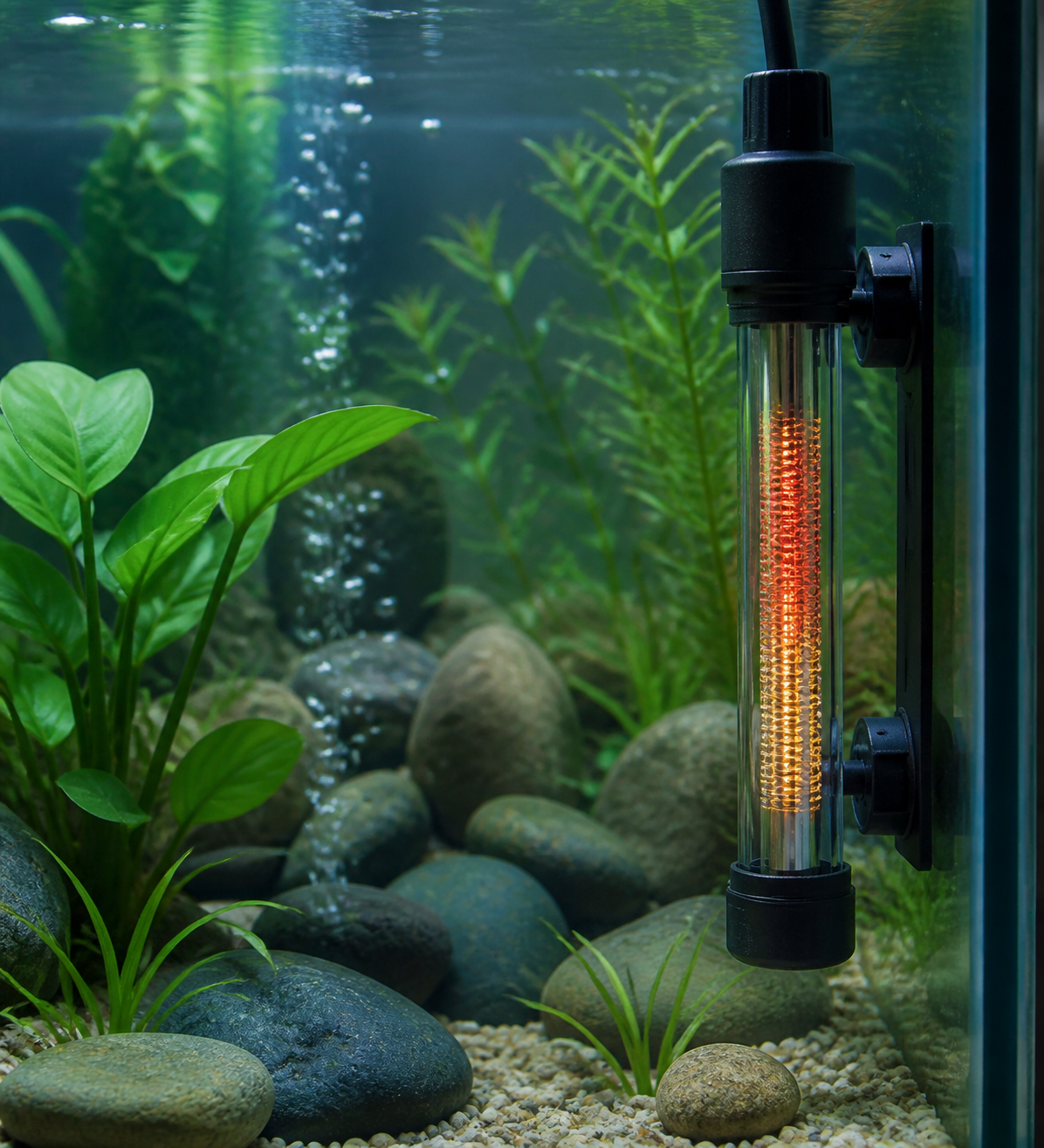
- Heater: a low-wattage nano heater sized specifically for small volumes — a standard heater’s minimum output can overheat a nano tank in minutes.
- Filter: gentle flow matters even more here — a filter designed for nano volumes avoids blasting small fish and shrimp around the tank.
- Lighting: a compact LED sized to the tank’s footprint, especially important if you’re keeping any live plants.
- Air pump (optional but useful): extra surface agitation helps oxygenate a densely planted or heavily stocked small tank.
What Can You Actually Keep?
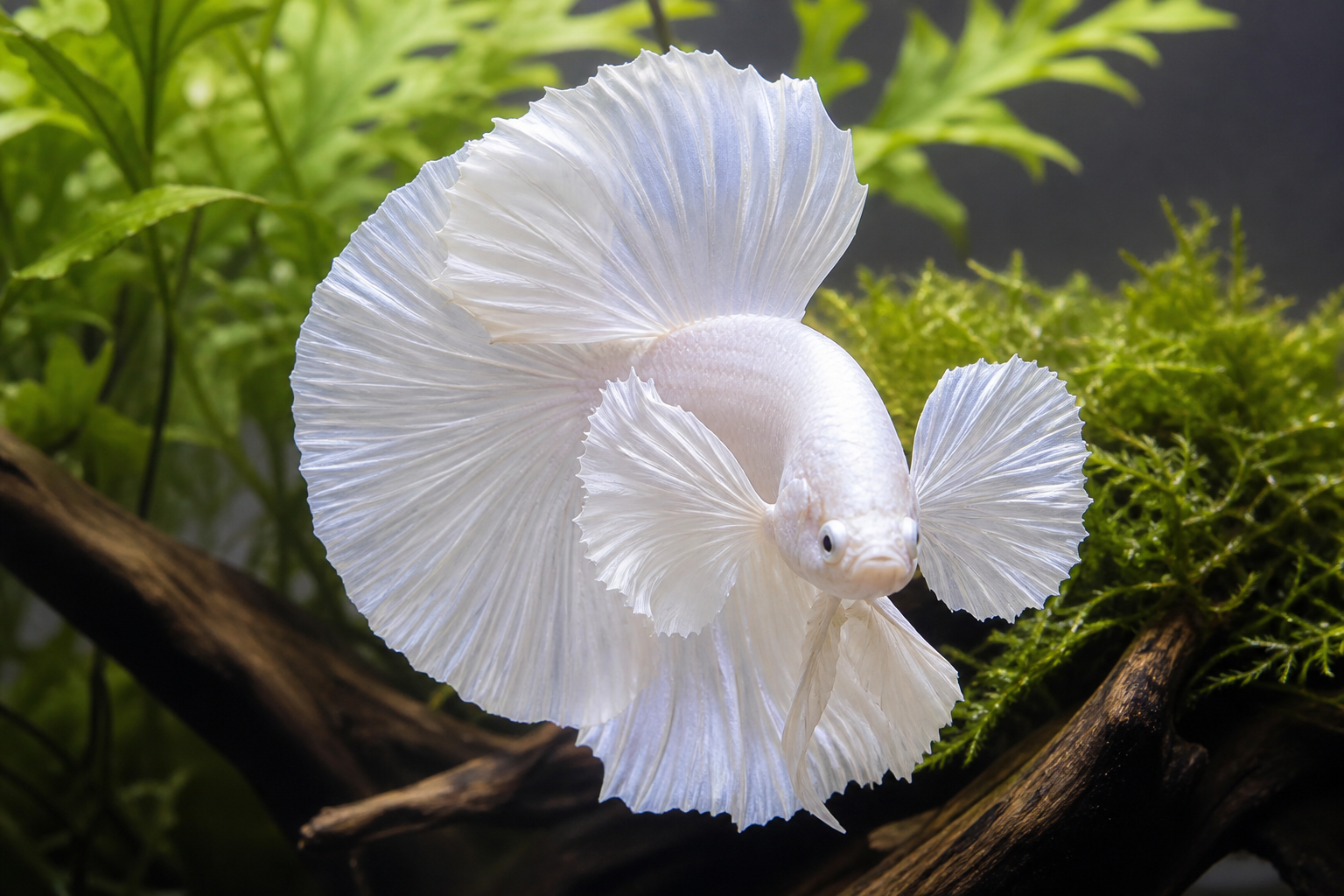
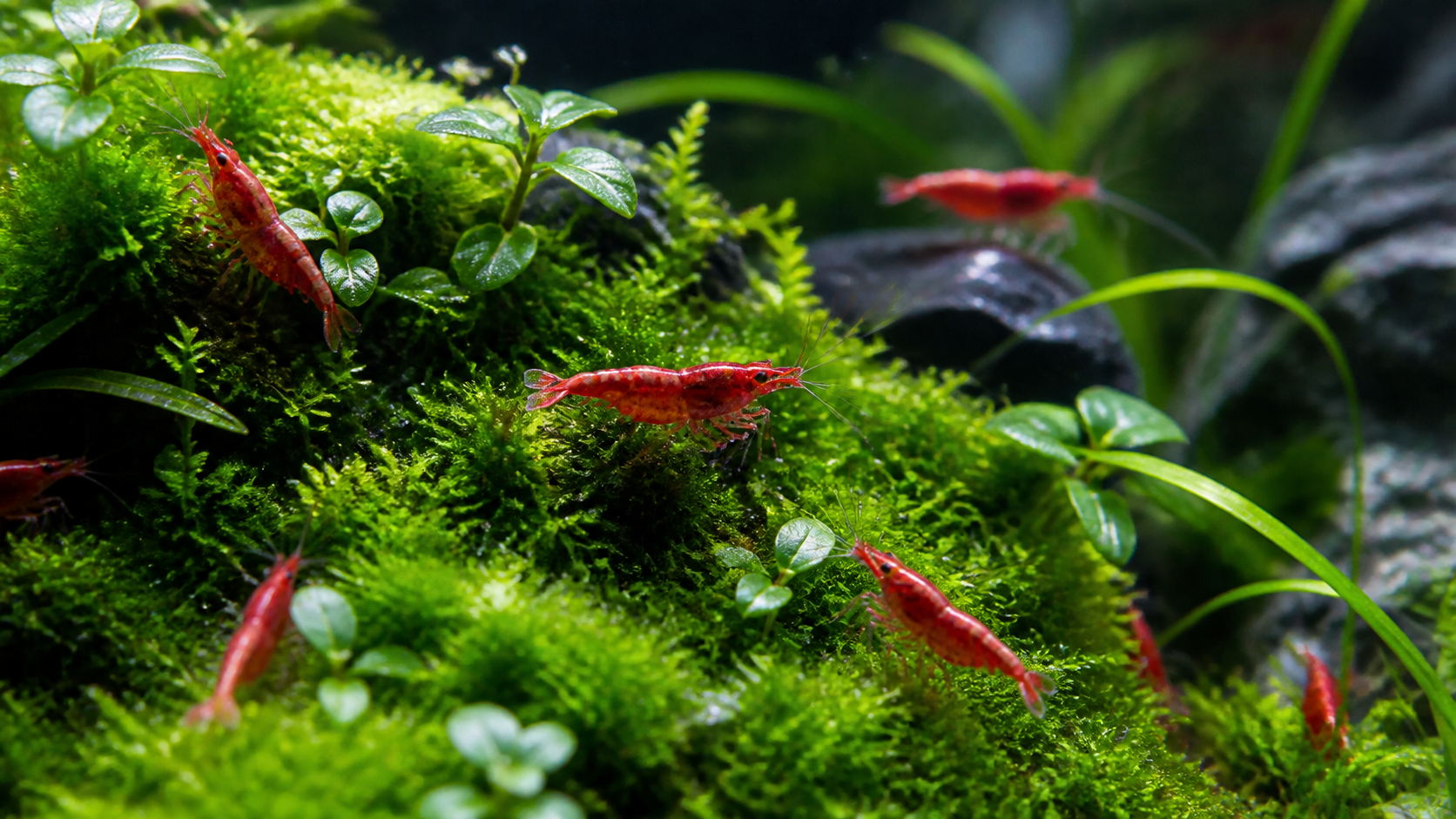
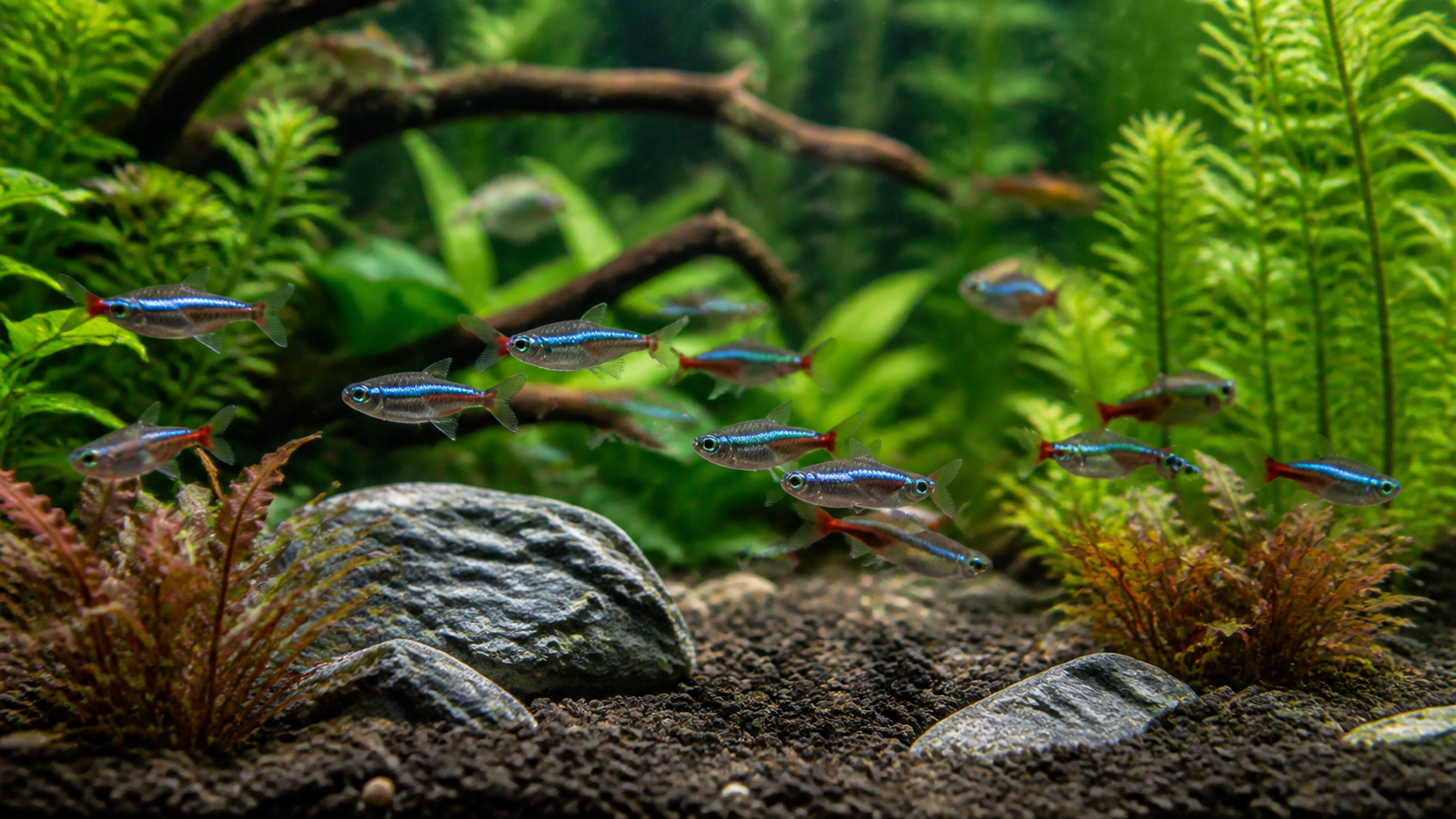
Match the livestock to the volume, not the other way around. A 15–20 liter nano tank can comfortably support a small school of nano fish (chili rasboras, celestial pearl danios), a shrimp colony (cherry, blue diamond), or a single betta as a species-only setup — never combine a betta with fast, nippy fish in a space this small, since there’s nowhere to retreat. Snails (nerite, Malaysian trumpet) are also a low-bioload nano staple. Avoid anything that grows large or produces heavy waste (goldfish, most cichlids, larger catfish) — the water volume simply can’t dilute the waste output.
Maintenance Routine
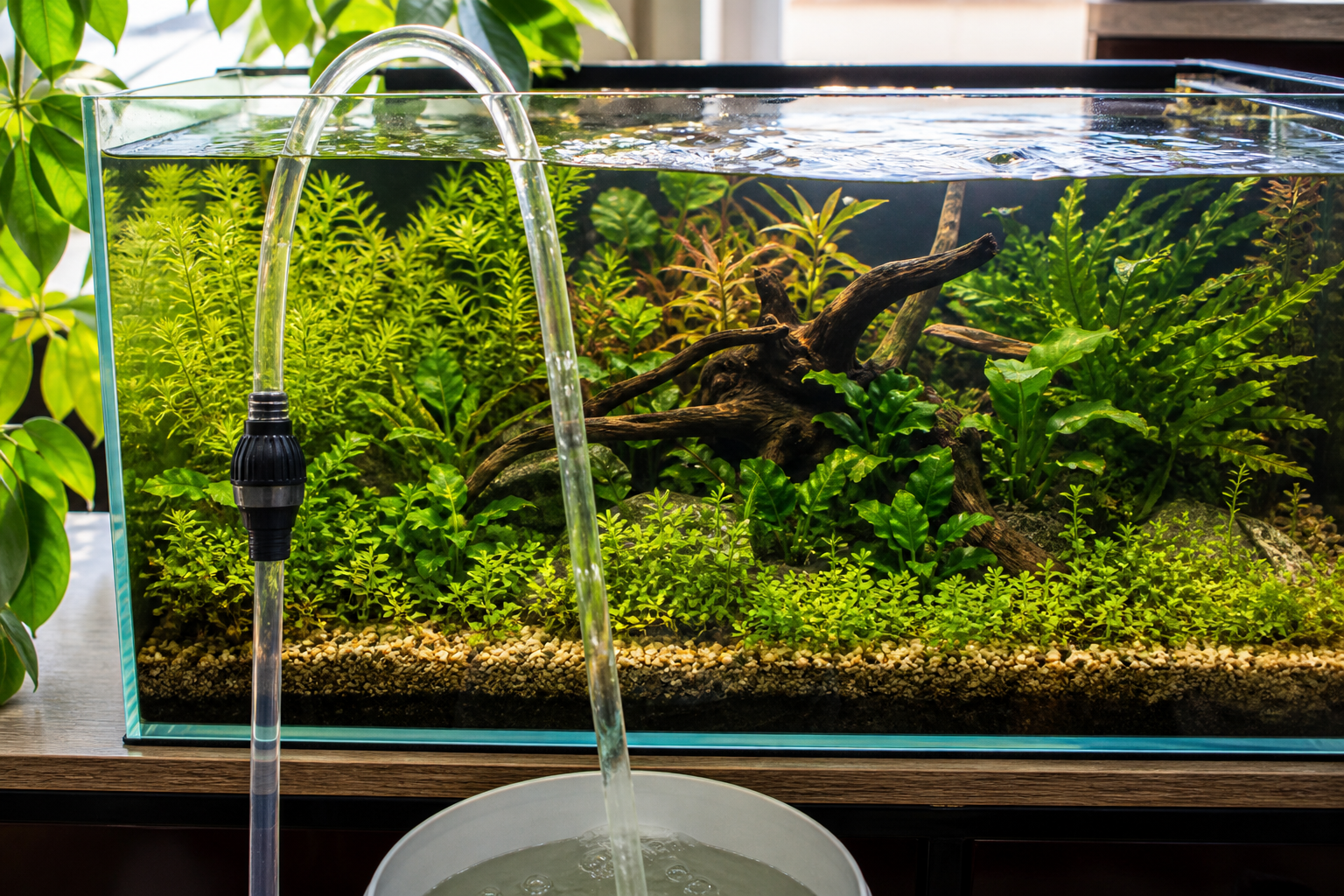
- Water changes: 20–25% weekly, not biweekly — small volume means waste concentrates faster, so don’t stretch the interval the way you might on a larger tank.
- Top off evaporation with treated water only — evaporation removes pure water and leaves minerals/salts behind, so topping off with untreated tap water (or skipping it) concentrates hardness over time.
- Test parameters more often in the first 2–3 months than you would on a larger tank, since swings happen faster and give you less warning.
- Feed less than you think — overfeeding is the single most common nano-tank mistake, and excess food fouls a small volume of water almost immediately.
Common Nano Tank Mistakes
- Skipping the cycle because the tank “feels too small to bother” — it’s the opposite; small tanks need the cycle more, not less.
- Using a standard-size heater — its minimum output can be too much for a few liters of water.
- Overstocking based on how the tank looks empty on day one, rather than how crowded it’ll feel once fish grow and multiply.
- Forgetting the lid — small, agile fish and shrimp are surprisingly good at finding gaps to jump or climb through.
- Neglecting weekly water changes because “it’s just a small tank” — exactly backwards from what the tank actually needs.
Frequently Asked Questions
Only if you’re willing to learn the nitrogen cycle and stay disciplined about water changes — the smaller margin for error makes nano tanks less forgiving than a standard 40+ liter beginner setup, not more.
Yes, almost always — even a lightly stocked nano tank benefits from gentle biological filtration, just sized appropriately so the flow doesn’t overwhelm small fish or shrimp.
Not reliably — bettas need stable tropical temperatures, and a small volume of unheated water swings with room temperature far more than a larger tank would.
Once daily, only what’s eaten within 1–2 minutes — overfeeding fouls a small water volume far faster than it would in a larger aquarium.
Yes, many peaceful nano fish coexist fine with shrimp, but avoid anything known to hunt small shrimp (like larger barbs or some cichlids) in a space this confined.
If you’re keeping tropical fish or shrimp, yes — pico volumes swing temperature even faster than nano tanks, making a properly sized heater arguably more important, not less.
Conclusion
A nano or pico tank rewards patience and the right gear sized to its actual volume — cycle it properly, stock conservatively, and keep a tighter water-change schedule than you would on a larger tank, and a small aquarium can be every bit as stable and enjoyable as a big one.
Recommended Products
- 20×20×20cm Nano Desktop Aquarium
- XiLong USB Mini Heater (15W)
- Mushroom Nano Filter + LED Combo
- AquaSpeed AP-226 Air Pump (2.5W)
- Seachem Safe Water Conditioner