

 Smart Control Systems
 Lighting
 Filtration
 Heaters
 Chiller & Cooling Fans
 Thermometers
 Water Pumps
 Air Pumps
 Wavemaker


 Low-Tech Plants
 Medium-Tech plants
 High-Tech Plants

 CO2 Diffusers


 Soil & Substrate
 Driftwood & Rocks
 Caves & Clays
 Filter Media, Sponge & Replacement Parts
 Tubing & Connectors




Aquarium Heater Guide: Sizing, Placement, and Safety

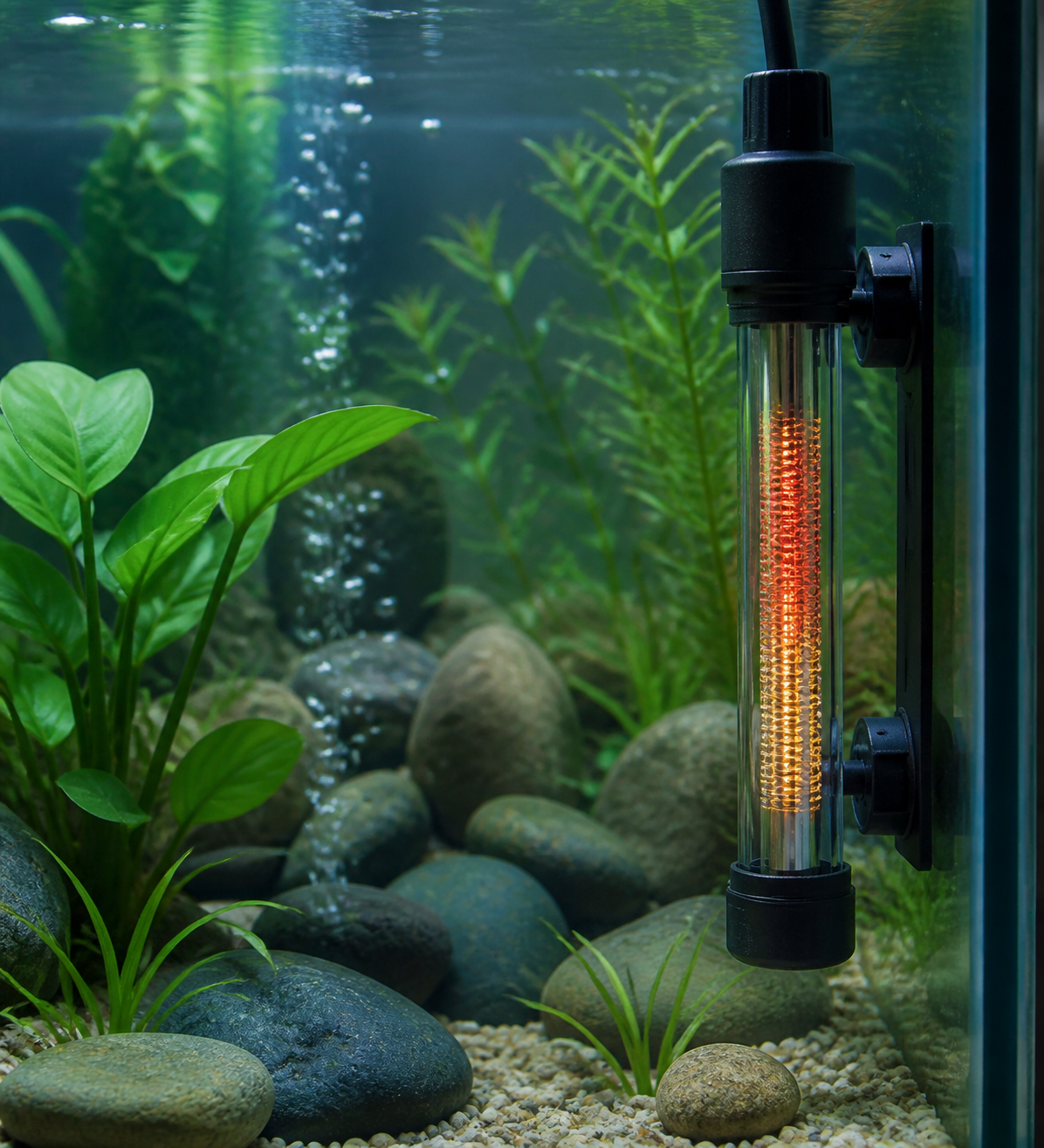
A heater is not optional equipment for a tropical freshwater tank — it’s the single device standing between your fish and a temperature swing that can trigger stress, disease, or worse. Most heater problems are avoidable with the right size, the right placement, and one cheap thermometer double-checking the result.
Table of Contents
- Why Your Tank Needs a Heater
- How to Size a Heater for Your Tank
- Types of Aquarium Heaters
- Where to Place Your Heater
- Heater Safety Rules
- Common Heater Mistakes
- FAQ
Aquarium Heater Guide: Sizing, Placement, and Safety
Why Your Tank Needs a Heater
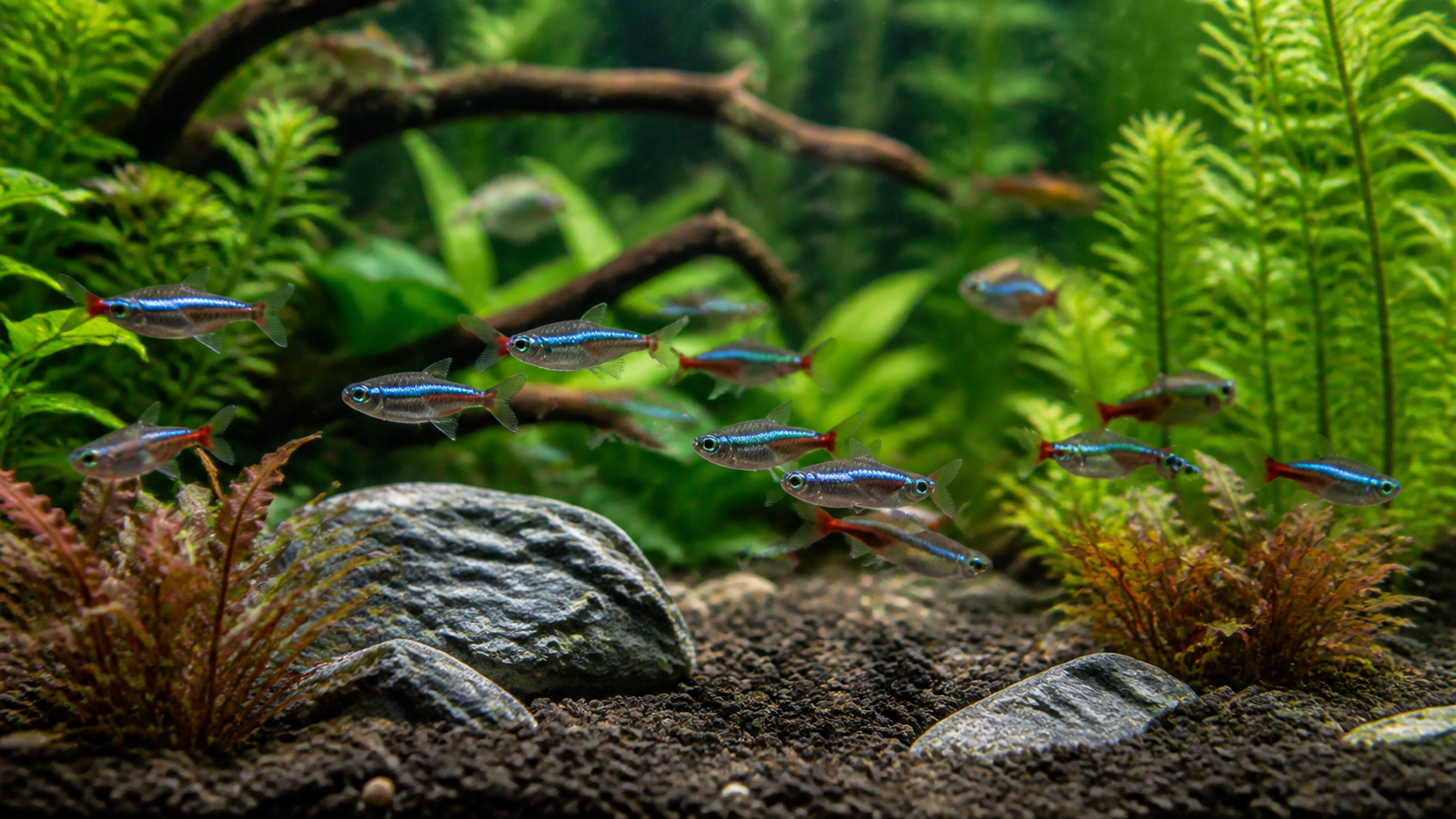
Most popular aquarium fish — tetras, guppies, bettas, corydoras, angelfish, gouramis — come from tropical rivers and lakes where water temperature rarely drops below the mid-20s °C year-round. A room in Cairo can easily swing from a chilly 16–18°C on a winter night to well above 28°C in summer without air conditioning, and fish don’t tolerate that kind of daily swing the way we do. Stable warmth keeps metabolism, immune function, and digestion working normally; unstable temperature is one of the most common hidden stressors behind “unexplained” fish illness.
How to Size a Heater for Your Tank
A simple rule of thumb: 3–5 watts per liter of water, with the higher end of that range for rooms that get genuinely cold or tanks that are open-top (open tops lose heat faster through evaporation).
- Small tanks (under 40L): a compact 15–25W heater is usually enough — this is where a nano/USB heater fits well.
- Medium tanks (40–100L): 100–150W, depending on room temperature.
- Larger tanks (100L+): 200–300W, or two smaller heaters split across opposite ends of the tank for more even heat distribution and built-in redundancy if one fails.
Types of Aquarium Heaters
Submersible heaters are the standard choice for almost every freshwater setup — fully underwater, with a thermostat built into the same unit. Within that category:
- Digital/electronic heaters hold temperature more precisely and often show the set point on a small display — worth the extra cost for anything with sensitive fish or shrimp.
- Stainless steel heaters are more impact-resistant than glass and a safer choice for tanks with large, boisterous fish (oscars, larger cichlids) that might knock a glass heater against decor.
- Nano/USB heaters are compact, low-wattage units built for small desktop tanks and betta cubes where a full-size heater would be oversized or physically won’t fit.
Where to Place Your Heater
Position the heater near the filter’s water outflow so the current constantly moves heated water around the tank instead of letting warmth pool in one corner while the rest stays cooler. Angle it roughly horizontal near the substrate if the model allows it — heat rises, so a lower placement warms the whole column more evenly than a heater sitting high near the surface. Never place a heater directly against the glass in a spot that also gets direct, strong sunlight or a cold draft from an air conditioner vent — both fight against accurate temperature control.
Heater Safety Rules
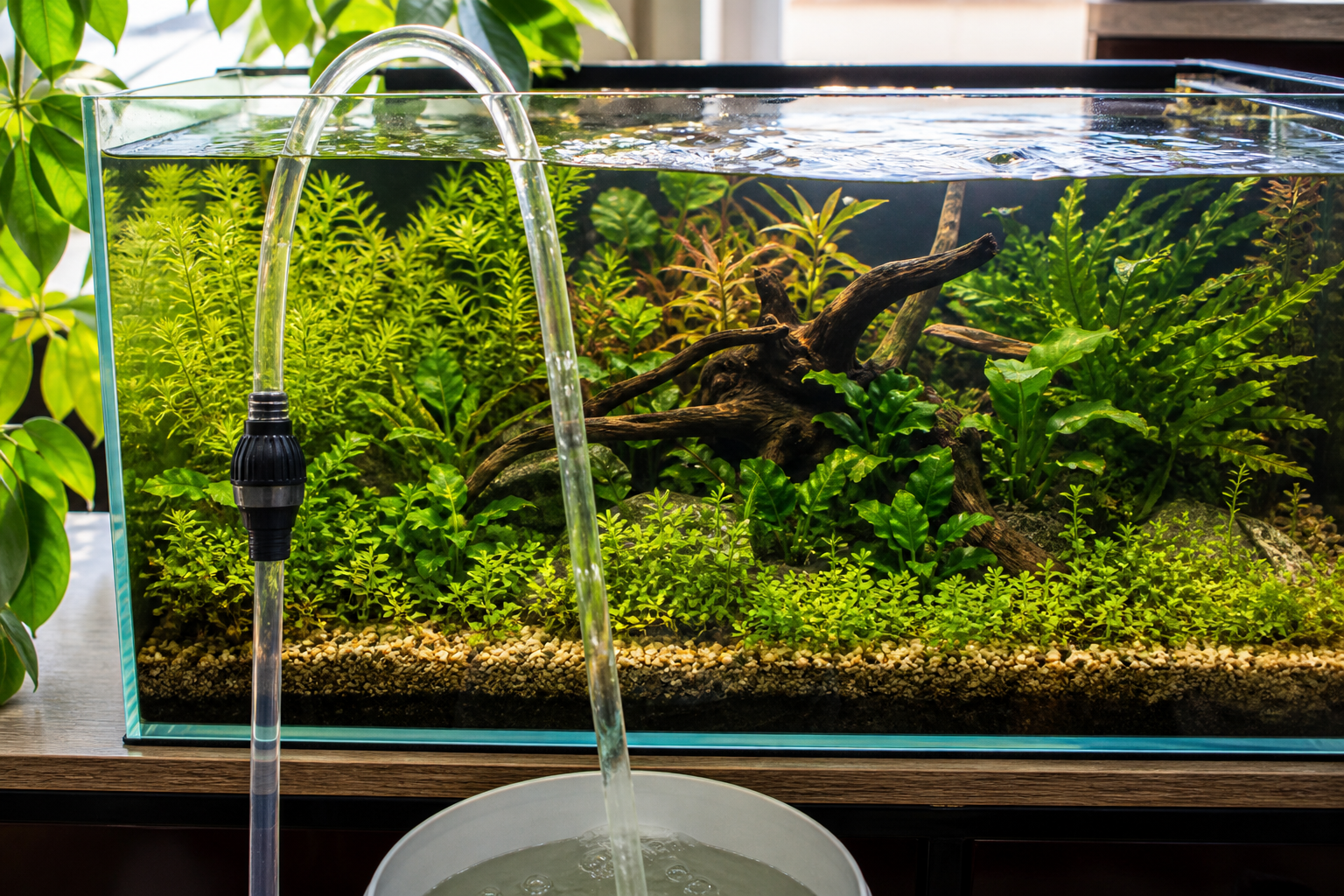
- Always unplug the heater before any water change — running dry, even briefly, can crack the heating element or cause a fire risk.
- Let a new heater sit in the tank water for 15–20 minutes before plugging it in — glass heaters especially can crack from sudden temperature change if powered on immediately after being moved from a cold box into warm water.
- Never let the water level drop below the heater’s submersion line — check your model’s markings; running partially exposed will overheat the unit.
- Use a surge protector rather than plugging directly into a wall outlet near water.
- Replace a heater immediately if the glass looks cracked or cloudy, even if it still seems to work.
Common Heater Mistakes
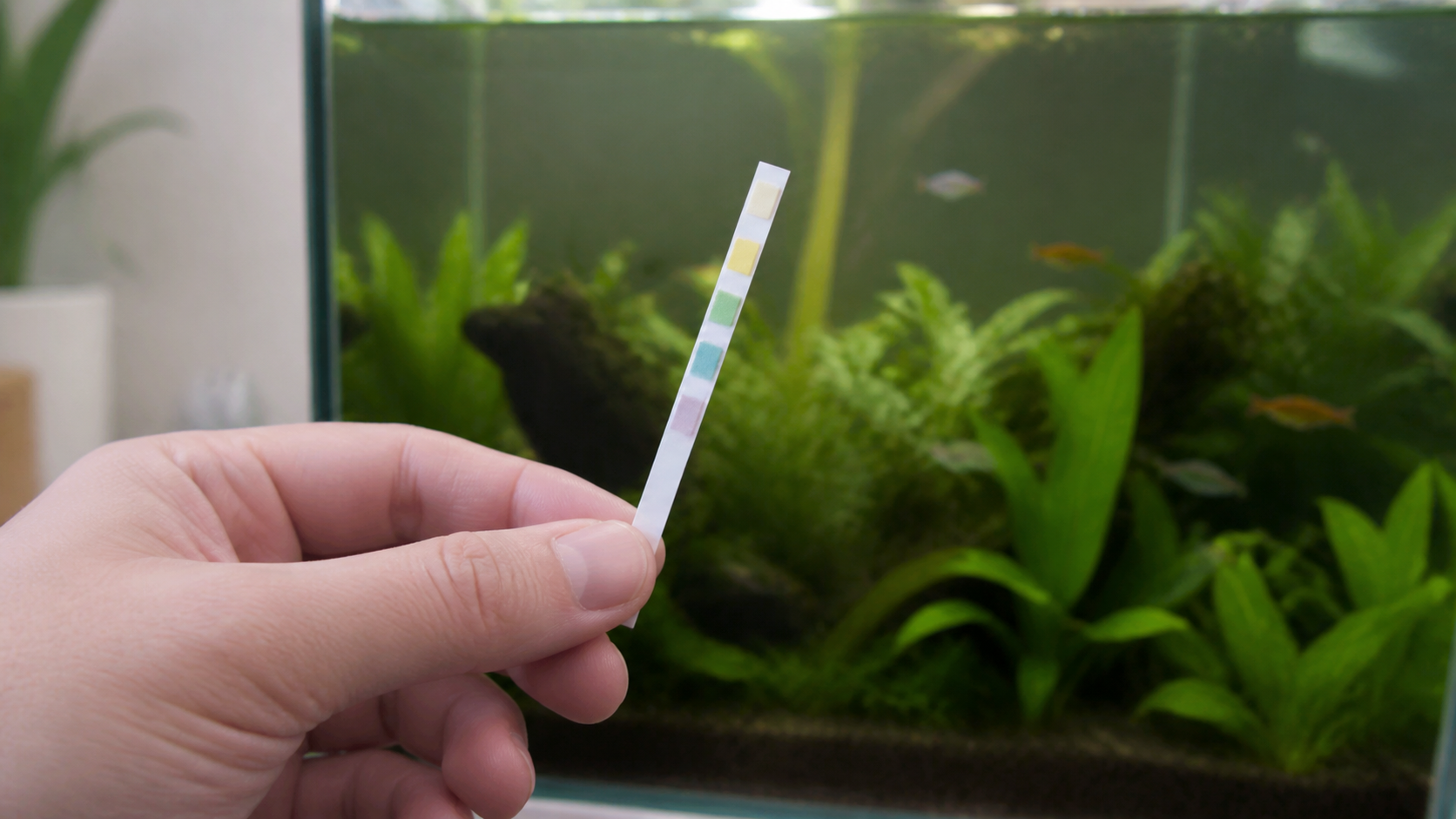
- Trusting the heater’s dial as the actual temperature — dials drift over time; always verify with a separate thermometer at the opposite end of the tank.
- Undersizing the heater for the room it’s in, especially through Cairo’s cooler winter nights.
- Placing it in a dead-water corner with no circulation, creating hot and cold pockets.
- Leaving it plugged in during water changes — a classic cause of cracked heating elements.
- Ignoring a heater that keeps the light on constantly — a thermostat that never cycles off is a sign it’s either undersized or malfunctioning, not a healthy sign of “working hard.”
Frequently Asked Questions
24–27°C (75–80°F) suits the vast majority of common community fish; check your specific species, since some (like goldfish) actually prefer cooler water and don’t need a heater at all.
Yes — even in a hot climate, winter nights and air-conditioned rooms can drop well below tropical fish’s comfortable range, and a heater with a thermostat only draws power when it’s actually needed to maintain temperature.
Compare an independent thermometer reading to the heater’s set point over a day. If they consistently disagree, or the tank temperature swings more than 1–2°C, the heater (or its thermostat) is likely failing.
Yes, and for tanks over 100L it’s often the safer choice — split the wattage between two units at opposite ends for more even heat and redundancy if one fails.
Usually a few hours for a small-to-medium tank, longer for larger volumes — never judge a heater as “not working” in the first hour.
Glass is fine for calm community tanks; stainless steel is the safer pick for tanks with large, active, or aggressive fish that might strike the heater.
Conclusion
Size your heater to roughly 3–5 watts per liter, place it near the filter flow, and always confirm the actual temperature with an independent thermometer rather than trusting the dial. Get those three things right and heater-related problems become extremely rare.
Recommended Products
- SunSun GR-300C Digital Heater (300W)
- XiLong L-399 Stainless Steel Heater
- XiLong USB Mini Heater (15W)