 Discus
 Cichlids
 Angelfish
 Plecos & Catfish
 Community & Nano Fish
 Shrimp, Snails & Invertebrates
 Low-Tech Plants
 Medium-Tech plants
 High-Tech Plants
 Live Corals
 Terrarium Kits & Jars
 Terrarium Plants & Moss
 Bioactive Clean-up Crew

 Smart Control Systems
 Lighting
 Filtration
 Heaters
 Chiller & Cooling Fans
 Thermometers
 Air Pumps
 Wavemaker
 Protein Skimmer
 CO2 Diffusers
 CO2 Accessories & Drop Checkers
 Liquid Carbon & CO2 Alternatives


 Soil & Substrate
 Driftwood & Rocks
 Caves & Clays
 Filter Media, Sponge & Replacement Parts
 Tubing & Connectors



Common Freshwater Fish Diseases and How to Treat Them

Common Freshwater Fish Diseases and How to Treat Them
Table of Contents
- Why Water Quality Comes Before Medication
- Ich (White Spot Disease)
- Fin Rot and External Bacterial Infections
- Internal Bacterial Infections
- Cloudy Water: Not Always a Disease
- Why Quarantine Matters
- Preventing Disease Before It Starts
- Common Beginner Mistakes
- Frequently Asked Questions
Why Water Quality Comes Before Medication
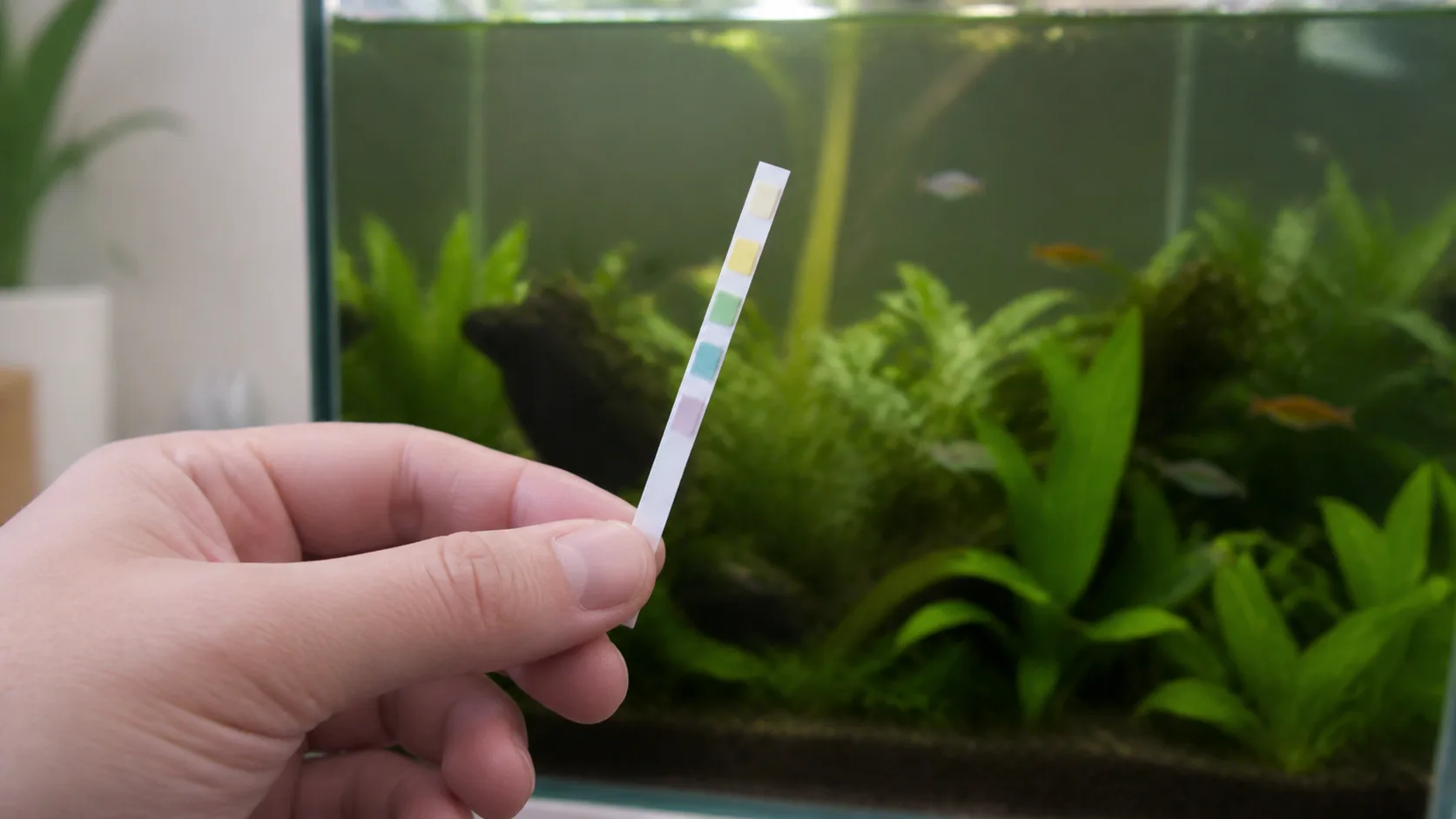
Before treating any suspected disease, test your water. Ammonia, nitrite, or nitrate spikes stress fish and directly weaken their immune systems, making them far more susceptible to the pathogens that cause the diseases below. In a large share of beginner disease cases, correcting water quality resolves the underlying stress even before medication takes effect — and treating symptoms while ignoring bad water quality often means the same problem returns days later.
This guide covers the diseases and issues most likely to affect a beginner freshwater community tank, what genuinely distinguishes them from each other, and when medication is actually the right response versus when the real fix is a water change and some patience.
Ich (White Spot Disease)
Ich (Ichthyophthirius multifiliis) is the most common disease new fishkeepers encounter, recognizable by small white spots resembling grains of salt scattered across the fish’s body and fins. It’s often triggered by a sudden temperature swing or stress from a recent transport or new tank introduction.
Standard treatment combines gradually raising the tank temperature to around 28–30°C (which speeds up the parasite’s life cycle and makes it more vulnerable) with a course of aquarium salt or a dedicated ich medication, continued for the full recommended duration even after visible spots clear — stopping early is a common reason ich returns days later.
Fin Rot and External Bacterial Infections
Fin rot shows up as ragged, disintegrating fin edges, sometimes with a whitish or reddish tinge along the damaged area. It’s typically a secondary bacterial infection that takes hold after fins are already damaged — by aggressive tankmates, rough decor, or poor water quality — rather than a random infection on healthy fish.
Recommended Product
Alongside medication, identify and address the root cause — improve water quality, remove or rehome aggressive tankmates, or smooth out sharp decor — or the infection is likely to recur even after a successful treatment course.
Fungal infections
Fungal infections often look similar to fin rot at a glance but present as cottony, white or grayish tufts rather than ragged fin edges, and typically appear on a wound or already-damaged tissue rather than spreading across otherwise healthy skin. Like fin rot, fungus is usually secondary — addressing the underlying injury or stress source alongside treatment gives a much better outcome than treating the visible growth alone.
Velvet disease
Velvet is caused by a parasite that gives infected fish a fine, dusty gold or rust-colored sheen, most visible under direct light at an angle. It’s less common than Ich but spreads through similar mechanisms and responds to a similar approach: raised temperature, reduced lighting (the parasite is photosynthetic and light-dependent), and a full treatment course rather than stopping once symptoms fade.
Internal Bacterial Infections
Internal bacterial infections are harder to diagnose than external ones, since symptoms are less visually obvious: weight loss despite normal appetite, lethargy, clamped fins, or a swollen abdomen are the usual signs. Because internal infections progress silently for longer, catching them early through regular observation — noticing when a fish’s behavior or body shape changes from its baseline — matters more than with visible external issues.
Recommended Product
Internal infections are frequently linked to poor diet or chronically stressful conditions rather than a single point of contamination, which is why a fish that develops one internal infection is often prone to further issues unless the underlying husbandry problem is corrected. A varied, appropriately-sized diet and stable water parameters do more to prevent internal infections long-term than any single medication.
Cloudy Water: Not Always a Disease
Cloudy or hazy water often gets mistaken for a health emergency, but it’s frequently a water clarity issue rather than a disease — caused by a bacterial bloom in a new tank, substrate disturbed during cleaning, or overfeeding. Testing water parameters first tells you whether this is a genuine water quality problem or just a clarity issue that a good filter and a little patience will resolve.
Recommended Product
A water clarifier speeds up how quickly your filter can capture and remove fine suspended particles, but it doesn’t address ammonia, nitrite, or an underlying disease — treat it as a cosmetic fix for genuinely clear water, not a substitute for testing.
Newly set-up tanks are especially prone to a temporary “bacterial bloom” — a sudden population explosion of the same bacteria that will eventually stabilize the tank, visible as a milky haze rather than a green or brown tint. This typically clears on its own within a few days to a week as the bacterial population settles, and doesn’t call for medication or alarm on its own, only patience and continued testing.
Why Quarantine Matters
A separate quarantine tank for new fish — even a simple, bare 10-day setup — is one of the most effective disease-prevention tools available, catching problems before they ever reach your main tank’s established, healthy population. Watching new arrivals in isolation for signs of ich, fungus, or unusual behavior before introducing them to your display tank avoids introducing a disease to fish that were previously perfectly healthy.
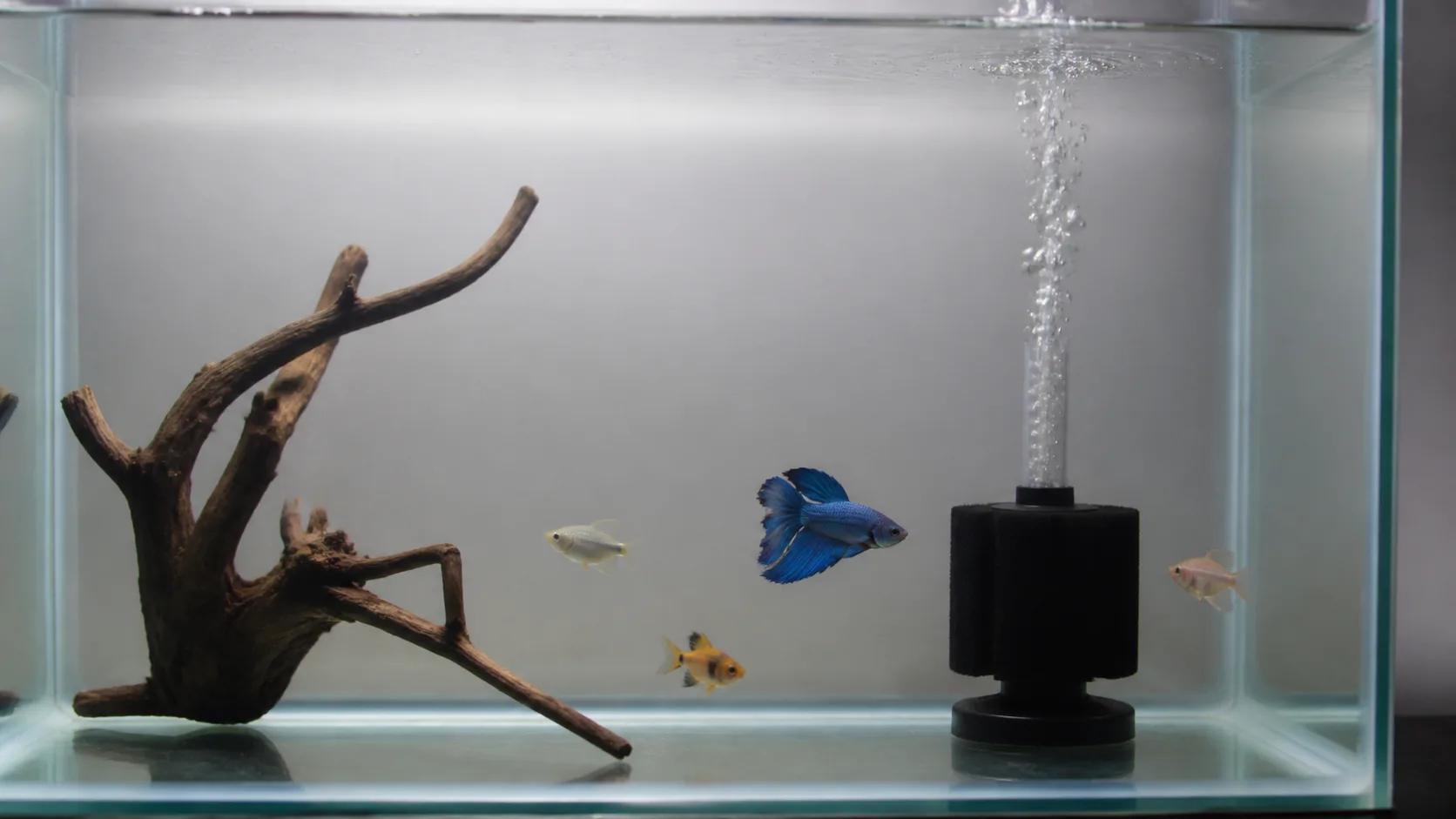
A quarantine setup doesn’t need to be elaborate: a small tank with a sponge filter (ideally seeded with some established filter media or water from your main tank), a heater, and minimal decor is enough. Bare bottom or minimal substrate makes it easier to spot parasites and keep the space clean during observation, and a lack of hiding spots makes it easier to actually see how each new fish is behaving.
Preventing Disease Before It Starts
- Keep a consistent weekly water change schedule rather than reacting only when problems appear.
- Treat all new water with a conditioner before it touches the tank.
- Quarantine new fish for at least 10 days before adding them to your main tank.
- Avoid overcrowding, which raises stress and bioload simultaneously.
- Avoid sudden temperature swings during water changes or equipment failures.
- Feed appropriate amounts — overfeeding degrades water quality and directly increases disease risk.
- Learn each fish’s normal appearance and behavior so you notice changes early.
- Clean equipment (nets, siphons) between tanks if you keep more than one, to avoid cross-contaminating a healthy tank.
Recommended Product
Common Beginner Mistakes
- Treating symptoms without testing water quality first
- Stopping treatment as soon as visible symptoms clear, instead of finishing the full course
- Skipping quarantine for new fish
- Misdiagnosing cloudy water as disease and reaching for medication instead of testing
- Not addressing the root cause behind fin damage, letting the infection recur
- Overmedicating “just in case” rather than confirming an actual issue first
Frequently Asked Questions
What’s the first thing I should do if I suspect my fish are sick?
Test your water. Ammonia, nitrite, or nitrate problems are behind a large share of beginner disease cases, and correcting water quality is often the most important step, medication or not.
How do I know if my fish has Ich or just a bit of dust on it?
Ich spots are numerous, resemble fine grains of salt, and appear across multiple fish over a few days rather than staying isolated to one spot on one fish.
Is fin rot contagious to other fish?
It’s usually secondary to an injury or poor water quality on one fish rather than directly contagious, but the underlying poor water quality that caused it can affect every fish in the tank.
Do I need to treat the whole tank or just the sick fish?
For parasitic issues like Ich, treat the whole tank — the parasite has free-swimming stages that spread before symptoms are visible on other fish. For a localized injury-related infection, a quarantine tank for the affected fish is often more appropriate.
How long should I quarantine new fish?
At least 10 days, which is enough time for most common diseases, including Ich, to show visible symptoms if the fish is carrying them.
Can cloudy water make my fish sick on its own?
Cloudiness itself usually isn’t harmful — it’s the underlying cause (a bacterial bloom, poor filtration, or ammonia) that matters. Test your water rather than assuming cloudy automatically means dangerous.
What does velvet disease look like compared to Ich?
Velvet gives fish a fine, dusty gold or rust-colored sheen visible under angled light, whereas Ich presents as distinct white spots resembling grains of salt. Both respond to similar temperature-and-treatment approaches, but correct identification helps you choose the right medication.
Should I remove a sick fish to a separate tank for treatment?
For parasitic diseases like Ich or velvet, treat the whole main tank since the parasite spreads before symptoms show elsewhere. For an injury-related infection isolated to one fish, moving it to a simple hospital tank often allows more precise dosing and easier monitoring.
Conclusion
Most freshwater fish diseases share a common thread: stress from water quality problems weakens a fish’s natural defenses long before a visible symptom appears. Testing your water first, treating the specific disease you’ve actually identified, quarantining new arrivals, and keeping up consistent maintenance prevents far more problems than any medication cabinet can fix after the fact.
If you’re dealing with a suspected illness or just want to be prepared, explore MyTankScape’s current fish health and water treatment essentials to have what you need on hand before a problem starts.