 Discus
 Cichlids
 Angelfish
 Plecos & Catfish
 Community & Nano Fish
 Shrimp, Snails & Invertebrates
 Low-Tech Plants
 Medium-Tech plants
 High-Tech Plants
 Live Corals


 Terrarium Kits & Jars
 Terrarium Plants & Moss
 Bioactive Clean-up Crew


 Smart Control Systems
 Lighting
 Filtration
 Heaters
 Chiller & Cooling Fans
 Thermometers
 Air Pumps
 Wavemaker
 Protein Skimmer

 CO2 Diffusers
 CO2 Accessories & Drop Checkers
 Liquid Carbon & CO2 Alternatives





 Soil & Substrate
 Driftwood & Rocks
 Caves & Clays

 Filter Media, Sponge & Replacement Parts
 Tubing & Connectors



Fish Compatibility Guide: Which Fish Can Live Together (and Which Can’t)

Fish Compatibility Guide: Which Fish Can Live Together (and Which Can’t)
Table of Contents
- The Four Factors That Actually Determine Compatibility
- Easy: Beginner-Friendly Community Fish
- Advanced: Fish With More Specific Requirements
- Expert-Only: Hard Fish to Keep
- Fish That Should Live Alone
- Common Compatibility Mistakes
- Building a Stocking Plan Before You Buy
- Frequently Asked Questions
The Four Factors That Actually Determine Compatibility
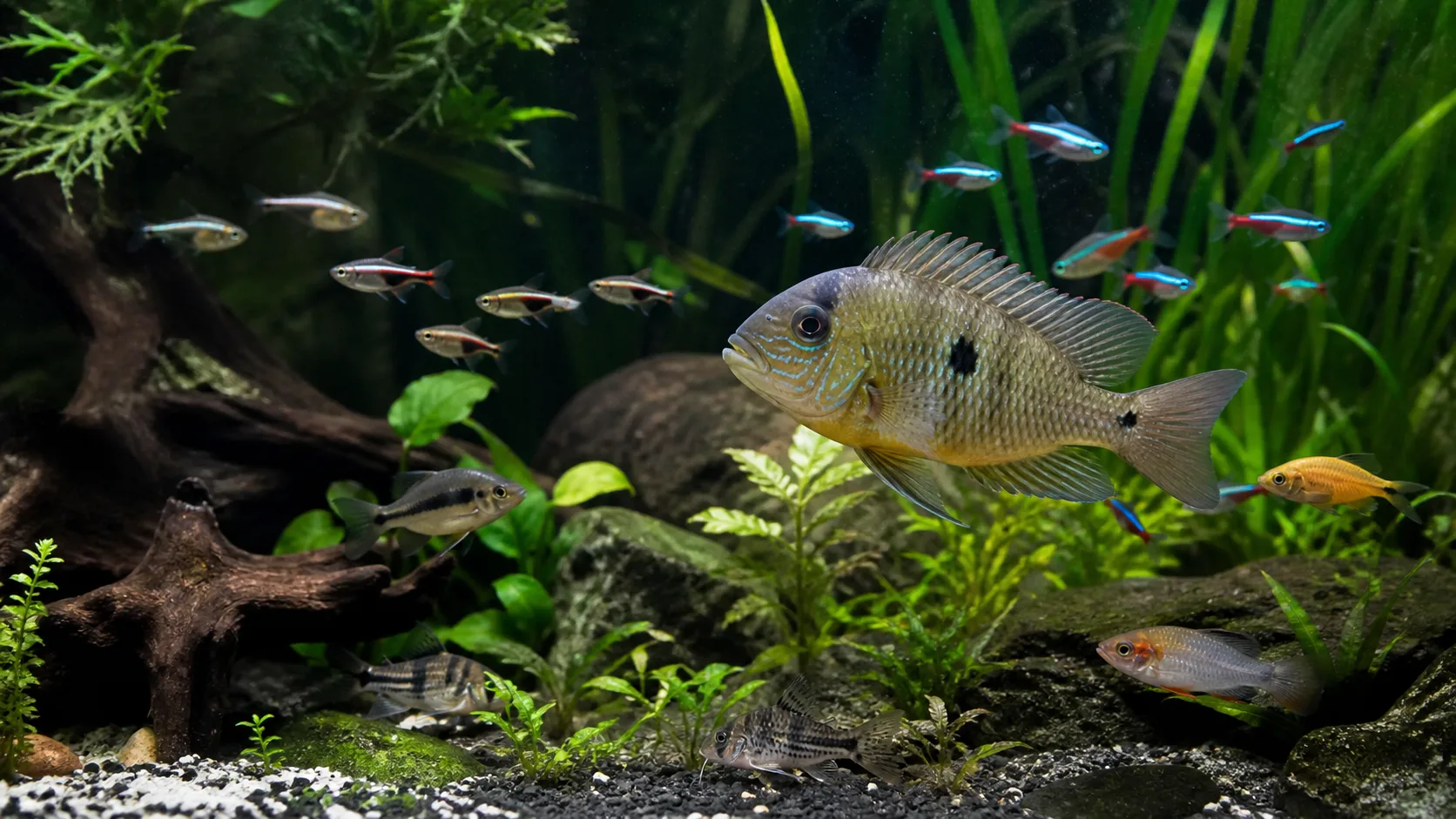
Most compatibility disasters trace back to one of four factors, and checking all four before you buy prevents the overwhelming majority of problems. Temperament is the most obvious: peaceful, semi-aggressive, and aggressive species don’t mix well, and even two “peaceful” species can clash if one is a notorious fin-nipper housed with a long-finned tankmate. Adult size matters because a fish that’s a harmless two centimeters at the store can reach 30+ centimeters as an adult — at that point, anything that fits in its mouth is potential food, regardless of how peaceful the species is generally described as.
Water parameters — temperature, pH, and hardness — need genuine overlap, not just “both freshwater.” A species that wants soft, acidic water and 28°C will stay chronically stressed in hard, alkaline water at 24°C even if no single parameter is instantly lethal. Diet is the most overlooked factor: a fish that needs live or frozen food will slowly starve in a tank stocked only with flakes, and predatory species housed with much smaller tankmates will eventually treat them as a meal rather than a companion.
Easy: Beginner-Friendly Community Fish
These species are genuinely forgiving — tolerant of a reasonable range of water parameters, peaceful with similarly-sized tankmates, and a solid starting point if you’re building your first community tank.
Recommended Species
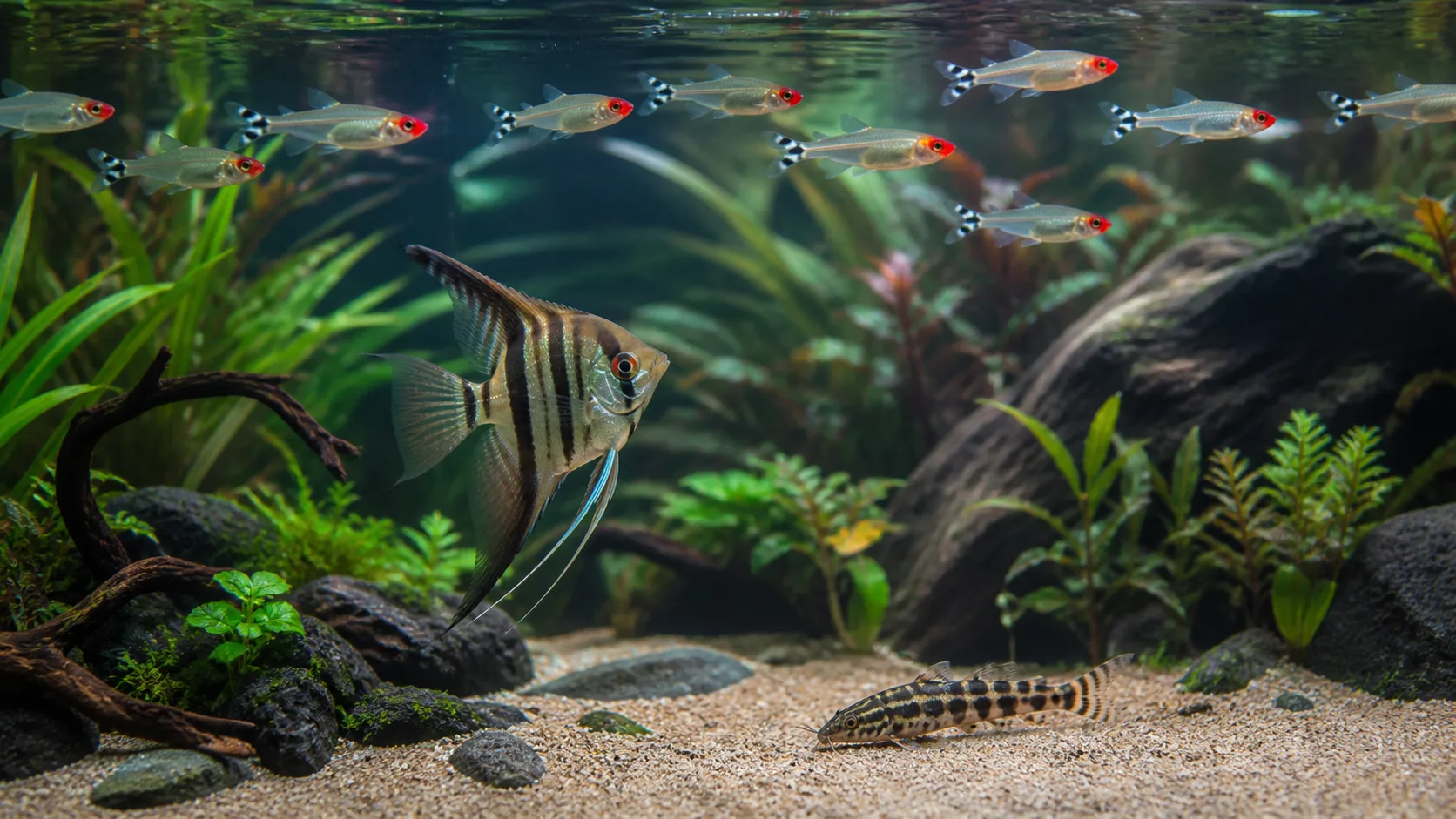
- Rummy Nose Tetra — a peaceful schooling fish, best kept in groups of 6 or more
- Pakistani Yo-Yo Loach — social, hardy, and useful for controlling snail populations
- Clown Loach — peaceful and social, though it grows larger than most beginners expect
- Garra Rufa (Doctor Fish) — active, peaceful, and tolerant of a wide parameter range
- Bristlenose Pleco — a hardy algae-eater that stays peaceful with almost any similarly-sized tankmate
Even within this easy tier, do a little homework on adult size: Clown Loaches, for instance, are calm and social but can eventually reach a size that calls for a genuinely large tank, and a fish that outgrows its home isn’t actually a low-maintenance choice no matter how easygoing its temperament is.
Advanced: Fish With More Specific Requirements
These species aren’t necessarily aggressive, but they call for more attention to water quality, tankmate selection, or environment than the easy tier — a good next step once you’re comfortable with routine maintenance and testing.
Recommended Species
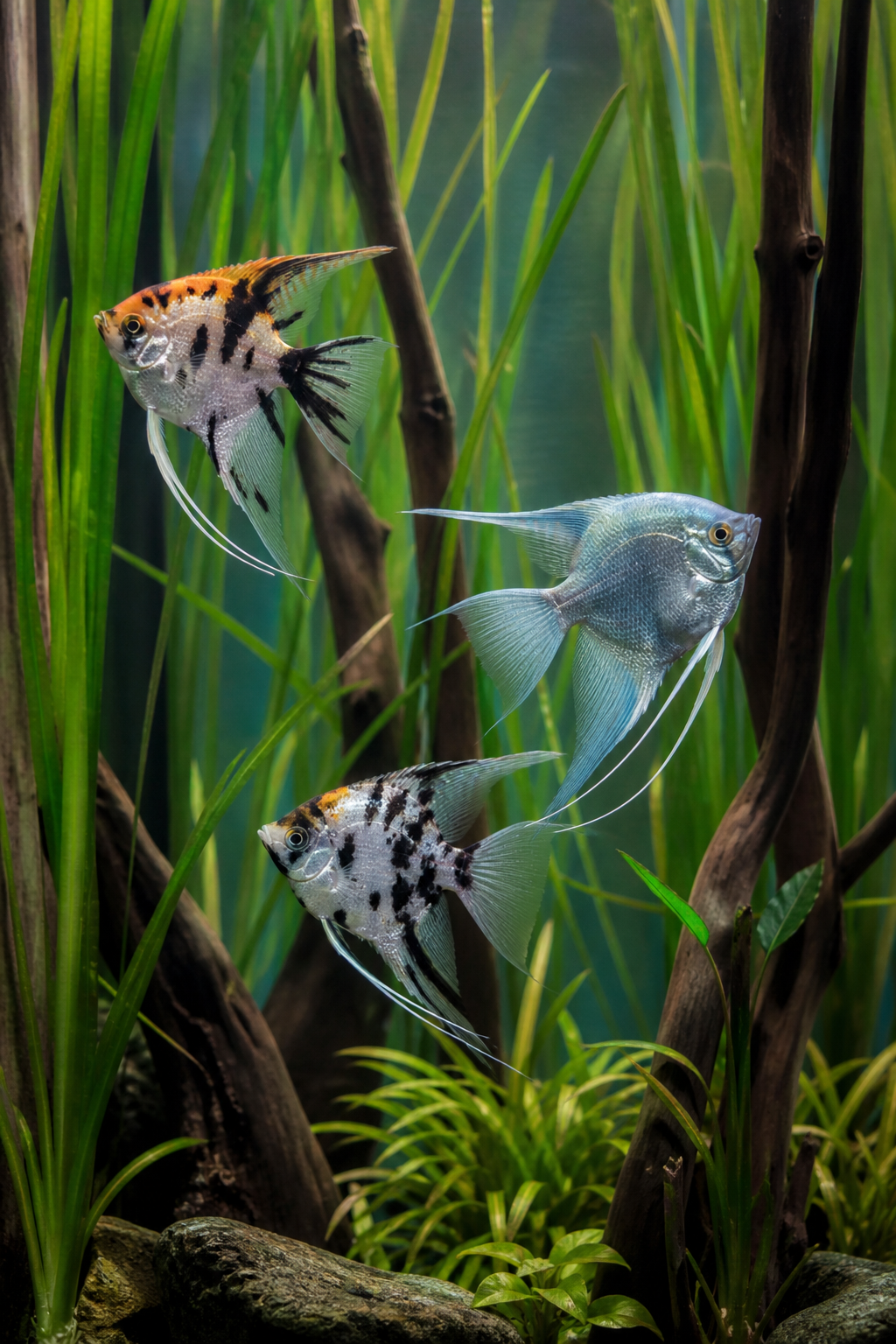
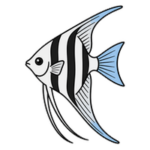
- Angelfish — peaceful as juveniles but increasingly territorial as adults, especially toward small, fast-moving fish they can corner
- Black Ghost Knife Fish — nocturnal, needs hiding spots and pristine water, and can be territorial toward other knife fish
- L134 Leopard Frog Pleco — a specialty pleco that needs excellent water quality and driftwood to graze on, not a beginner algae-eater substitute
Angelfish are the clearest example of why “advanced” doesn’t mean aggressive: a small angelfish is a calm community fish, but as it matures and pairs off, it becomes territorial around its chosen spawning site and will treat very small tankmates — think tiny fry-sized fish — as food rather than company. Plan tankmates for the adult angelfish you’ll have in a year, not the juvenile you’re buying today.
Expert-Only: Hard Fish to Keep
These species are genuinely more demanding — narrow water parameter tolerances, specific social structures, or both — and are best attempted once you have real experience maintaining stable water quality.
Recommended Species
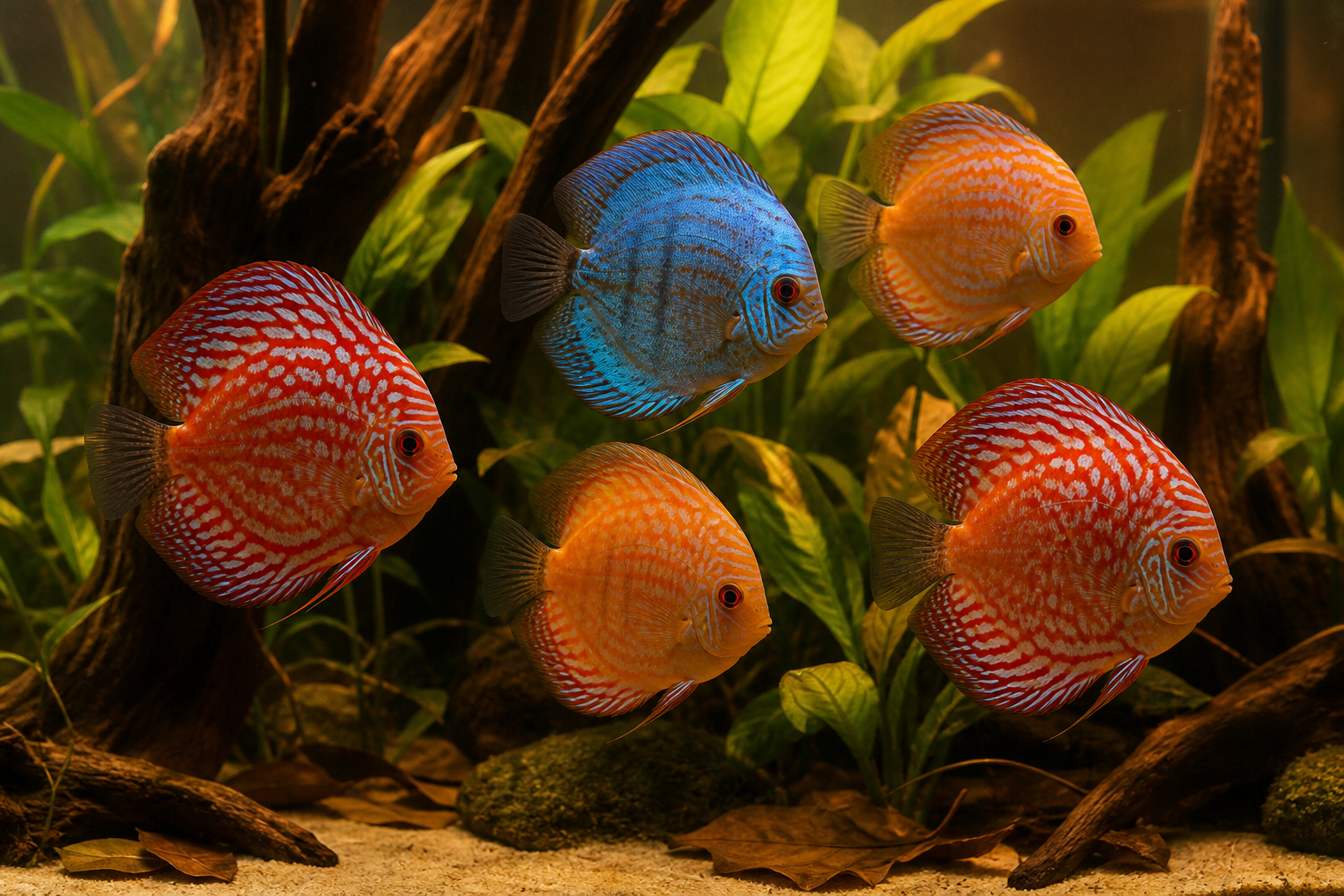
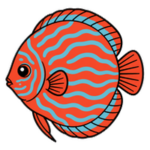
- Discus — needs stable, warm (around 28–30°C), soft and slightly acidic water, and is notoriously unforgiving of water quality swings
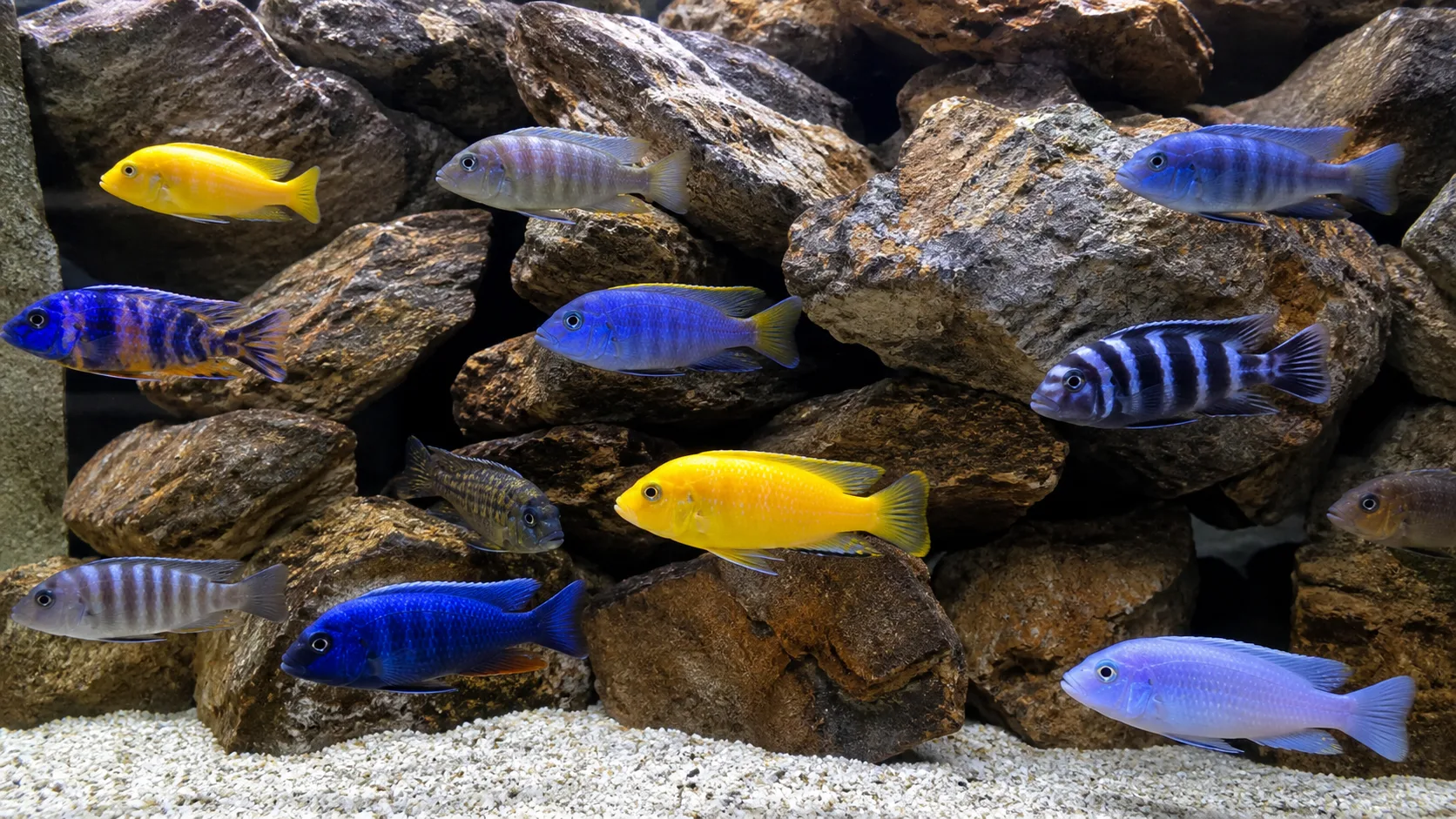
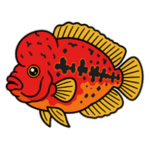
- Demasoni African Cichlid — needs hard, alkaline water and a specific social setup (large groups in a spacious tank) to spread out aggression rather than concentrate it on one individual
African cichlids like Demasoni have their own trap: they’re aggressive toward their own species specifically, which means keeping too few of them concentrates that aggression onto whichever individual ranks lowest, while a properly sized group spreads it out enough that no single fish is constantly targeted. Getting the stocking numbers wrong is a common reason a “compatible” species still ends up bullied to death.
Fish That Should Live Alone
A handful of species are simply better off in a species-only tank, or even truly alone, rather than a mixed community — usually because their adult size, territorial aggression, or predatory instinct makes coexistence genuinely risky for tankmates.
Recommended Species
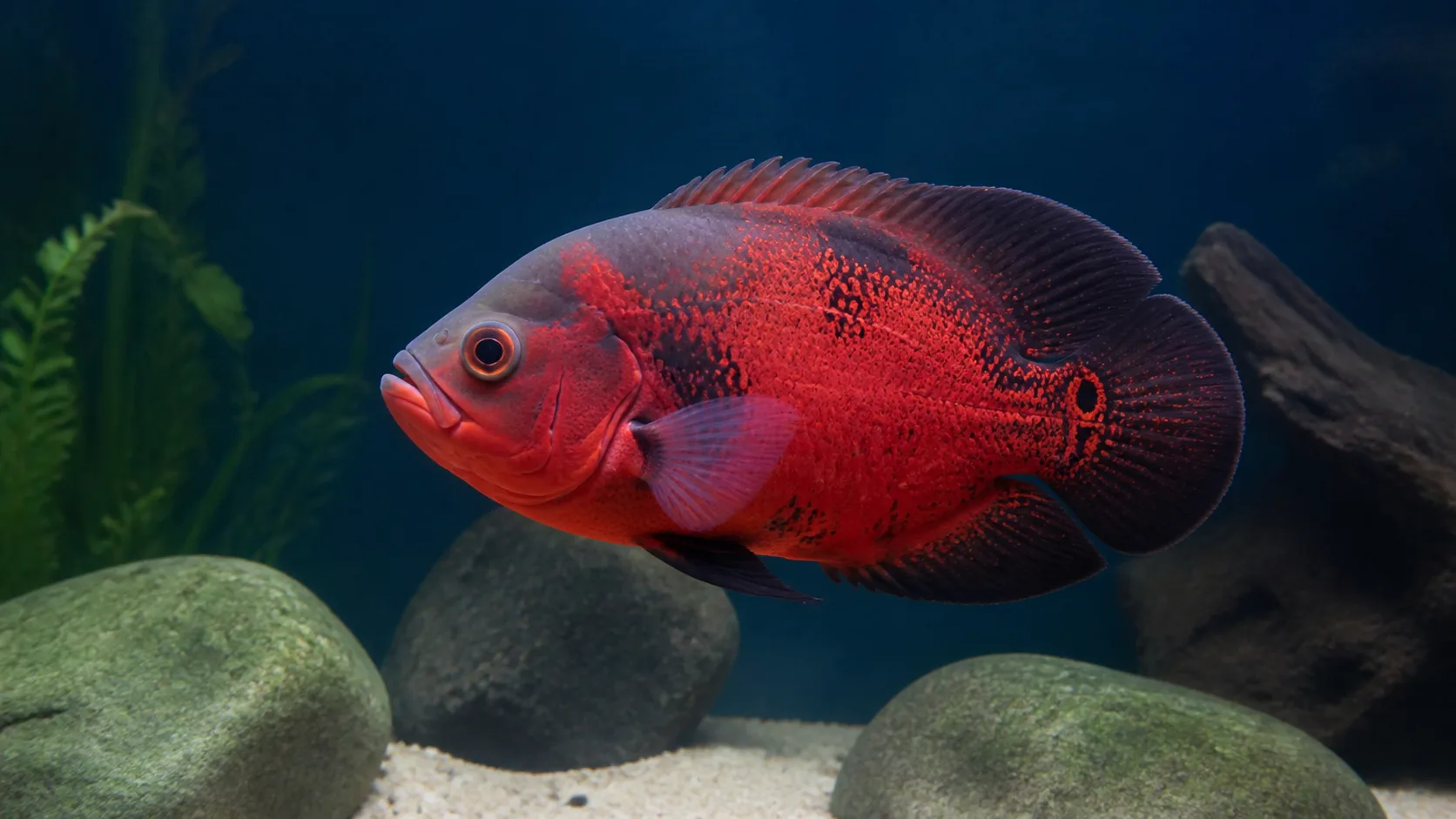
- Oscar — grows large, intelligent, and territorial; smaller fish are often eaten rather than tolerated once the Oscar matures
- Red Devil Cichlid — one of the most consistently aggressive cichlids kept in the hobby, frequently best housed alone
- Red Terror Cichlid — large and territorial, needs a spacious tank and careful tankmate selection at minimum, often best alone
None of this means these fish are a poor choice — they’re genuinely striking, characterful species that many hobbyists specifically seek out. It means planning for a species-only tank (or a very carefully chosen handful of robust, similarly-sized tankmates with plenty of space and line-of-sight breaks) rather than assuming any fish can be added to a general community setup.
Common Compatibility Mistakes
- Buying based on a juvenile’s current size instead of researching its adult size
- Assuming “peaceful species” means compatible with everything, ignoring fin-nipping or territorial tendencies
- Mixing species that want genuinely different water parameters, not just “both freshwater”
- Understocking a same-species-aggressive fish (like many African cichlids), concentrating aggression on one individual instead of spreading it out
- Adding small, fast-moving fish to a tank with a predatory or large territorial species and assuming size alone will protect them
- Not accounting for diet — housing a fish that needs live or frozen food where only flakes are offered
Building a Stocking Plan Before You Buy
Write out your full intended stocking list before buying anything, including adult sizes and temperaments for every species on it — not just the first one or two you’re excited about. Check every pair of species against each other, not only against the “main” fish you had in mind, since two supposedly compatible additions can still clash with each other even if each individually gets along with your centerpiece fish.
Add fish gradually rather than all at once, giving your filter’s bacteria colony time to catch up with the added bioload, and watch behavior closely for the first few weeks after each addition — early signs of bullying or stress are much easier to correct with a small adjustment than after months of established territory and social hierarchy.
Frequently Asked Questions
Can I mix Oscars with other cichlids?
Only with careful planning — Oscars need tankmates that are similarly large, robust, and not likely to be eaten or bullied. A general community mix isn’t a safe pairing for an adult Oscar.
Why did my “peaceful” fish start attacking others?
Peaceful often means peaceful within its species or size class, not universally. Territorial behavior frequently emerges as a fish matures or pairs off, even in species generally described as calm.
Can Discus live with regular community fish?
It’s possible with careful species selection, but Discus want warmer, softer, more acidic water than most easy community fish tolerate comfortably, so the tank’s water parameters usually end up as a compromise that doesn’t fully suit either group.
How many African cichlids do I need to keep aggression manageable?
More than a “just a couple” — species like Demasoni need a proper group in a spacious tank so aggression spreads across many individuals rather than concentrating on one. Research the specific species’ recommended group size before buying.
Is it cruel to keep a fish alone?
Not for species that are naturally solitary or highly territorial in the wild — for a Red Devil Cichlid or a mature Oscar, a spacious solo tank is usually less stressful than forcing coexistence with tankmates it will bully or eat.
What’s the safest way to test if two species are compatible?
Research both species’ adult size, temperament, and water parameter needs before buying either one — don’t rely on how they behave together in a display tank at the store, since juvenile behavior doesn’t predict adult temperament.
Conclusion
Compatibility comes down to matching temperament, adult size, water parameters, and diet — research all four before adding any new fish, not just the one that catches your eye. Some species genuinely are easy, forgiving additions to a community tank; others need real experience, specific water conditions, or a tank of their own. Planning your full stocking list in advance, rather than one impulse addition at a time, is what actually prevents the fights, deaths, and stress that come from mismatched tankmates.
If you’re planning your next stocking decision, explore MyTankScape’s current live fish selection and check each species’ care requirements before adding it to your tank.
Recommended Products
Internal Link Map
- Rummy Nose Tetra
- Pakistani Yo-Yo Loach
- Clown Loach
- Garra Rufa (Doctor Fish)
- Bristlenose Pleco
- Angelfish
- Black Ghost Knife Fish
- L134 Leopard Frog Pleco
- Discus
- Demasoni African Cichlid
- Oscar
- Red Devil Cichlid
- Red Terror Cichlid
- Best Community Fish for Freshwater Aquarium
- Common Freshwater Fish Diseases and How to Treat Them