 Discus
 Cichlids
 Angelfish
 Plecos & Catfish
 Community & Nano Fish
 Shrimp, Snails & Invertebrates
 Low-Tech Plants
 Medium-Tech plants
 High-Tech Plants
 Live Corals

 Terrarium Kits & Jars
 Terrarium Plants & Moss
 Bioactive Clean-up Crew

 Smart Control Systems
 Lighting
 Filtration
 Heaters
 Chiller & Cooling Fans
 Thermometers
 Air Pumps
 Wavemaker
 Protein Skimmer
 CO2 Diffusers
 CO2 Accessories & Drop Checkers
 Liquid Carbon & CO2 Alternatives


 Soil & Substrate
 Driftwood & Rocks
 Caves & Clays
 Filter Media, Sponge & Replacement Parts
 Tubing & Connectors




How to Cycle a New Aquarium: The Nitrogen Cycle Explained

How to Cycle a New Aquarium: The Nitrogen Cycle Explained
Before you add a single fish, there’s one invisible process that decides whether your tank thrives or crashes in its first month — the nitrogen cycle. Getting it right is the difference between a stable aquarium you barely think about and a stressful cycle of sick fish and cloudy water.
Table of Contents
- What the Nitrogen Cycle Actually Is
- Why You Can’t Skip It
- How to Do a Fishless Cycle (Step by Step)
- Fish-In Cycling: If You Already Have Fish
- How to Speed Up a Cycle
- How to Know Your Cycle Is Finished
- Keeping the Cycle Stable After Setup
- Common Cycling Mistakes
- Frequently Asked Questions
What the Nitrogen Cycle Actually Is
Every fish produces ammonia through its gills and its waste, and uneaten food and decaying plant matter add more. Ammonia is highly toxic — it burns gills and damages organs even at concentrations too low to see or smell. In a healthy aquarium, you never have to deal with it directly, because two groups of bacteria handle it for you:
- Ammonia-oxidising bacteria consume ammonia and produce nitrite as a by-product.
- Nitrite-oxidising bacteria consume that nitrite and produce nitrate.
- Nitrate is the end product — far less toxic, and removed through routine water changes or taken up by live plants.
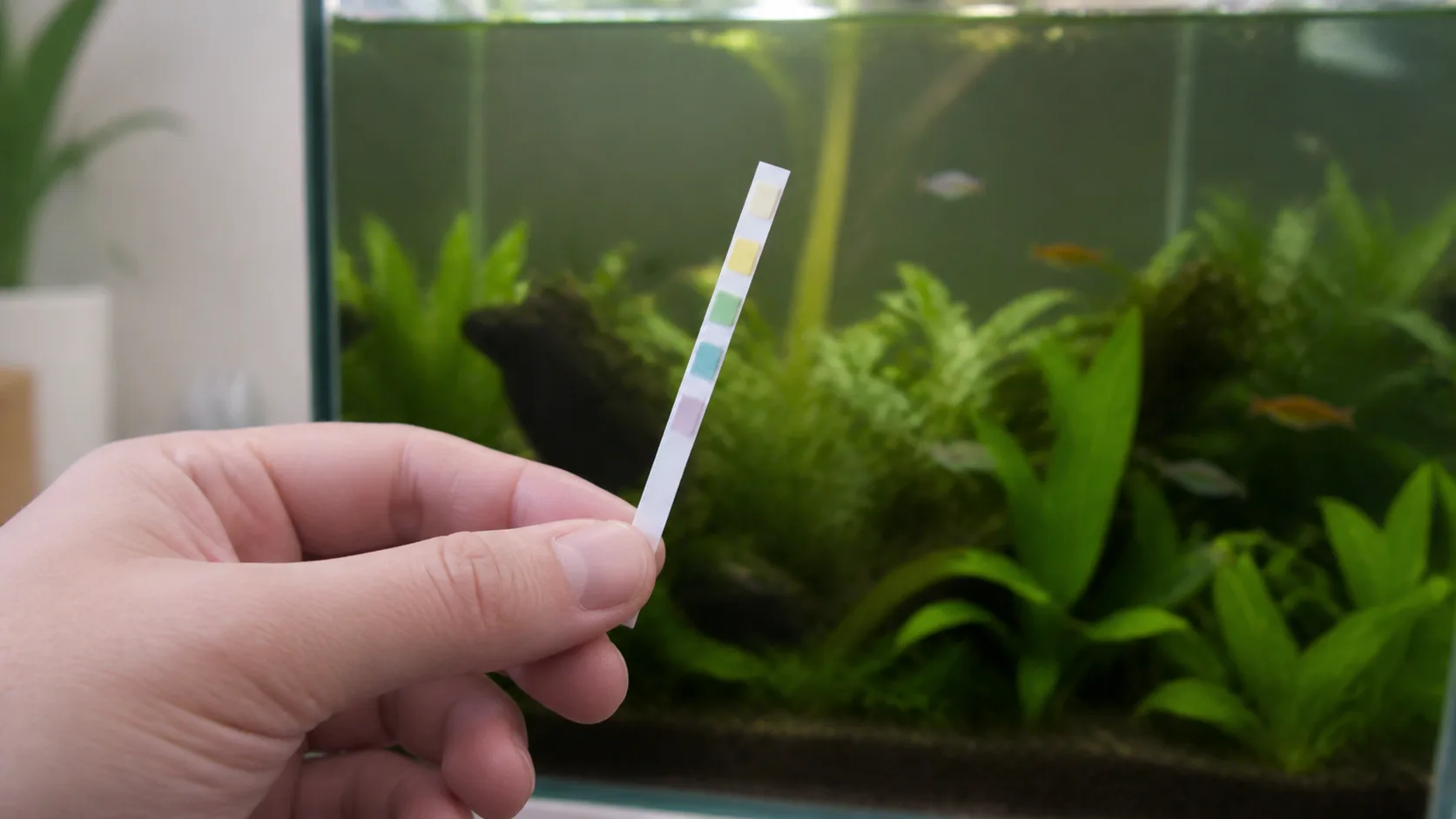
These bacteria live on surfaces, not floating in the water — mostly inside your filter media, with smaller populations on substrate, hardscape, and glass. “Cycling a tank” simply means running it long enough for both colonies to grow large enough to keep ammonia and nitrite at zero under a real fish load. Our water parameters guide covers how to read each of these numbers on a test kit.
Why You Can’t Skip It
Adding fish to an uncycled tank — often called “new tank syndrome” — means those fish are swimming in slowly rising ammonia with no bacteria to remove it. Many die within the first week, and the survivors often develop fin rot, ich, or other opportunistic diseases weeks later because the ammonia exposure wrecked their immune systems. Our fish disease guide covers how many “diseases” trace straight back to this.
How to Do a Fishless Cycle (Step by Step)
This is the method we recommend for anyone setting up a new tank. No fish suffer, and you can push the bacteria harder than you ever could with livestock in the tank, so it finishes with a colony big enough to stock properly on day one.
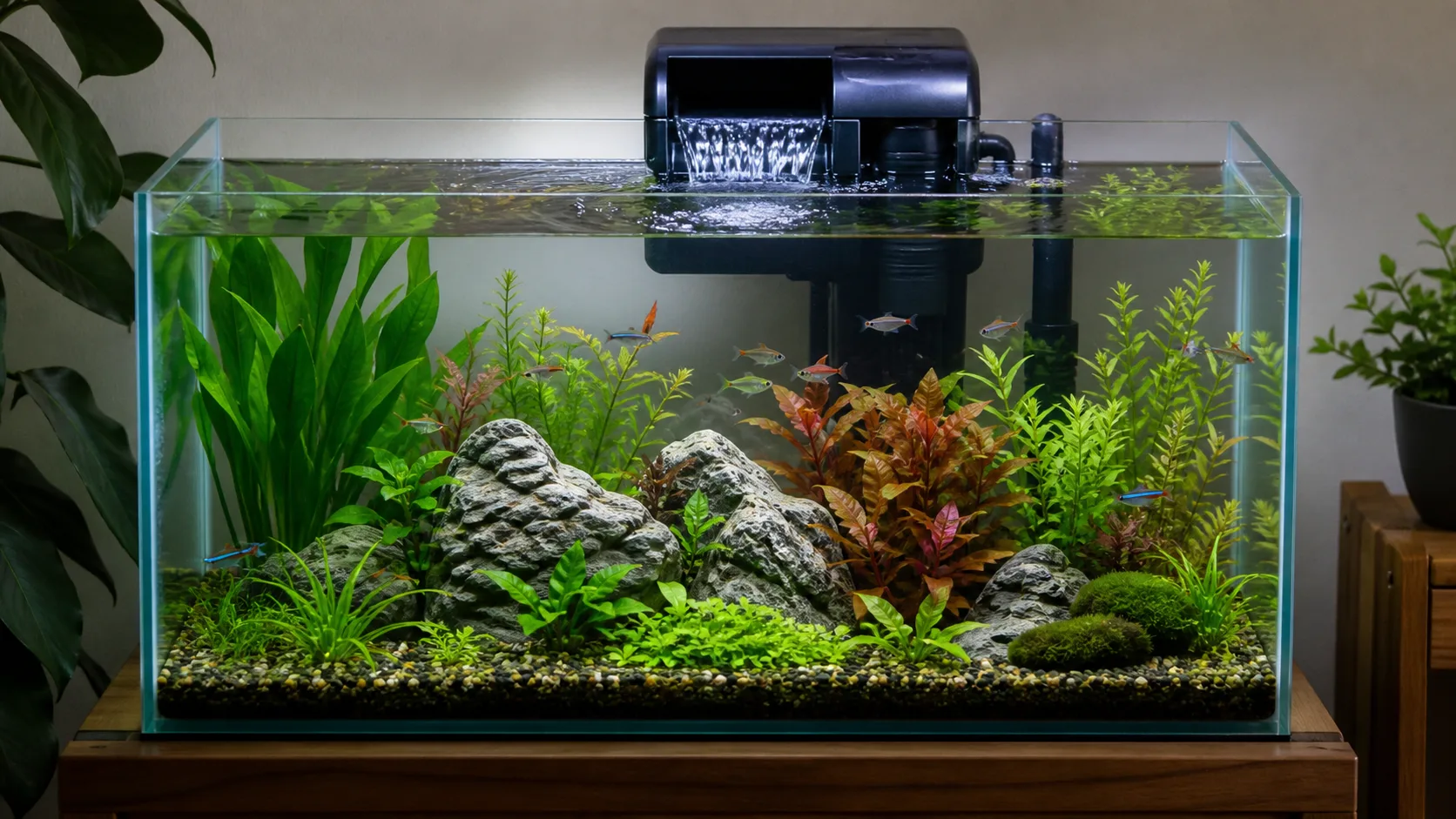
1. Set up the full tank
Install the filter, heater, substrate, hardscape, and plants. Fill with dechlorinated water. Chlorine and chloramine from the tap kill the exact bacteria you’re trying to grow, so treat every drop with a conditioner before it goes in.
Recommended Products
- Seachem Safe — a concentrated powder dechlorinator; a tiny scoop treats a large volume, so one tub lasts years
- Chlorine Remover Granules (250g) — a budget-friendly crystalline dechlorinator for larger or frequently-refilled tanks
2. Raise the temperature
Set the heater to around 28–29°C for the duration of the cycle. Nitrifying bacteria multiply significantly faster in warm water, and there are no fish to stress. Drop it back to your species’ normal range once cycling is done.
Recommended Product
- Digital LCD Thermometer — an accurate readout matters more during cycling than at any other time
3. Add an ammonia source
You need something to feed the bacteria. The two common options are pure ammonium chloride (dosed to roughly 2–3 ppm) or a small pinch of fish food dropped in every couple of days to rot. Ammonium chloride is cleaner and lets you control the concentration precisely; fish food is free but messier and slower.
4. Test and wait
Over the next few weeks you’ll watch a predictable pattern:
- Week 1–2: ammonia climbs, then starts falling as the first colony establishes.
- Week 2–4: nitrite spikes (this stage is often the longest and most frustrating), then falls.
- Week 3–6: nitrate appears and climbs steadily — that’s the sign both colonies are working.
Keep topping the ammonia back up to 2 ppm whenever it hits zero, so the growing colony always has food.
5. Do a large water change and stock
Once the tank clears 2 ppm ammonia to zero ammonia and zero nitrite within 24 hours, do a 50–75% water change to bring the accumulated nitrate down, then add your fish. Stock gradually rather than all at once even now — a fully cycled tank can still be overwhelmed by a sudden huge bioload.
Fish-In Cycling: If You Already Have Fish
Maybe you were sold fish on the same day as the tank, or a rescue landed in your lap. You can still cycle safely, but the fish’s health now depends entirely on you keeping ammonia and nitrite near zero by hand until the bacteria catch up.
- Test daily, without exception.
- Do a water change any time ammonia or nitrite reaches 0.25 ppm or higher — often that means changing water every day or two for several weeks.
- Feed lightly, every other day. Less food means less ammonia.
- Use a conditioner that detoxifies ammonia and nitrite, not just chlorine, so the fish are protected between water changes.
Recommended Product
- Shield Plus Water Conditioner — removes chlorine and chloramine and binds ammonia, nitrite, and nitrate into a less harmful form, which makes it genuinely useful during a fish-in cycle rather than just a dechlorinator
How to Speed Up a Cycle
You can’t skip the cycle, but you can shorten it. The single biggest accelerator is seeding your new filter with established bacteria from a mature tank:
- Squeeze a dirty filter sponge from an existing healthy tank into your new one — the “mulm” that comes out is dense with live bacteria.
- Move a handful of used filter media (ceramic rings, bio-balls, a piece of sponge) from a running tank into your new filter. This is the fastest method of all.
- Add mature substrate or a decoration from an established tank.
- Provide plenty of porous surface area in the new filter from the start, so the bacteria have room to colonise as they grow.
Recommended Products
- Ceramic Bio Filter Media Bars — highly porous surface designed to host the largest possible bacteria colony per litre of filter space
- Sunsun HBL-803 Hang-On Filter — a media-rich hang-on filter with room for the bio media that a healthy cycle depends on
Bottled “starter bacteria” products can help too, though results vary a lot by brand and how the bottle was stored. Treat them as a possible head start, not a guarantee — you still need to test.
How to Know Your Cycle Is Finished
Ignore how long it’s been running and ignore how clear the water looks. The only proof is a test result. Your tank is cycled when, over a 24-hour period, it takes a 2 ppm ammonia dose down to:
- Ammonia: 0 ppm
- Nitrite: 0 ppm
- Nitrate: present and rising (typically 20–40 ppm by this point)
If ammonia hits zero but nitrite is still detectable, you’re close but not done — the second colony needs more time. Keep feeding ammonia and keep testing.
Recommended Product
- Digital TDS Meter — a rising TDS reading tracks accumulating nitrate and dissolved waste between water changes once the tank is running
Keeping the Cycle Stable After Setup
A cycled tank isn’t permanent — the bacteria colony is sized to the current bioload, and a few common actions can knock it back:
- Never rinse filter media in tap water. Chlorine kills the colony instantly. Rinse it in old tank water during a water change instead.
- Don’t replace all filter media at once. Swap one part at a time, weeks apart, so the colony always has a home.
- Add fish gradually. A big new bioload takes the colony a week or two to grow into — dumping in a dozen fish at once can trigger a mini-cycle.
- Keep the filter running 24/7. The bacteria need oxygenated flowing water; a filter switched off overnight starts dying within hours.
Common Cycling Mistakes
- Adding fish because “it’s been two weeks” instead of because a test says the tank is ready.
- Doing water changes during a fishless cycle, which just removes the ammonia the bacteria need to eat.
- Using tap water straight from the hose during setup and killing the colony you’re trying to build.
- Dosing ammonia far above 4–5 ppm, which can stall the cycle entirely.
- Panicking at the nitrite spike and tearing the tank down — that spike is the cycle working, not failing.
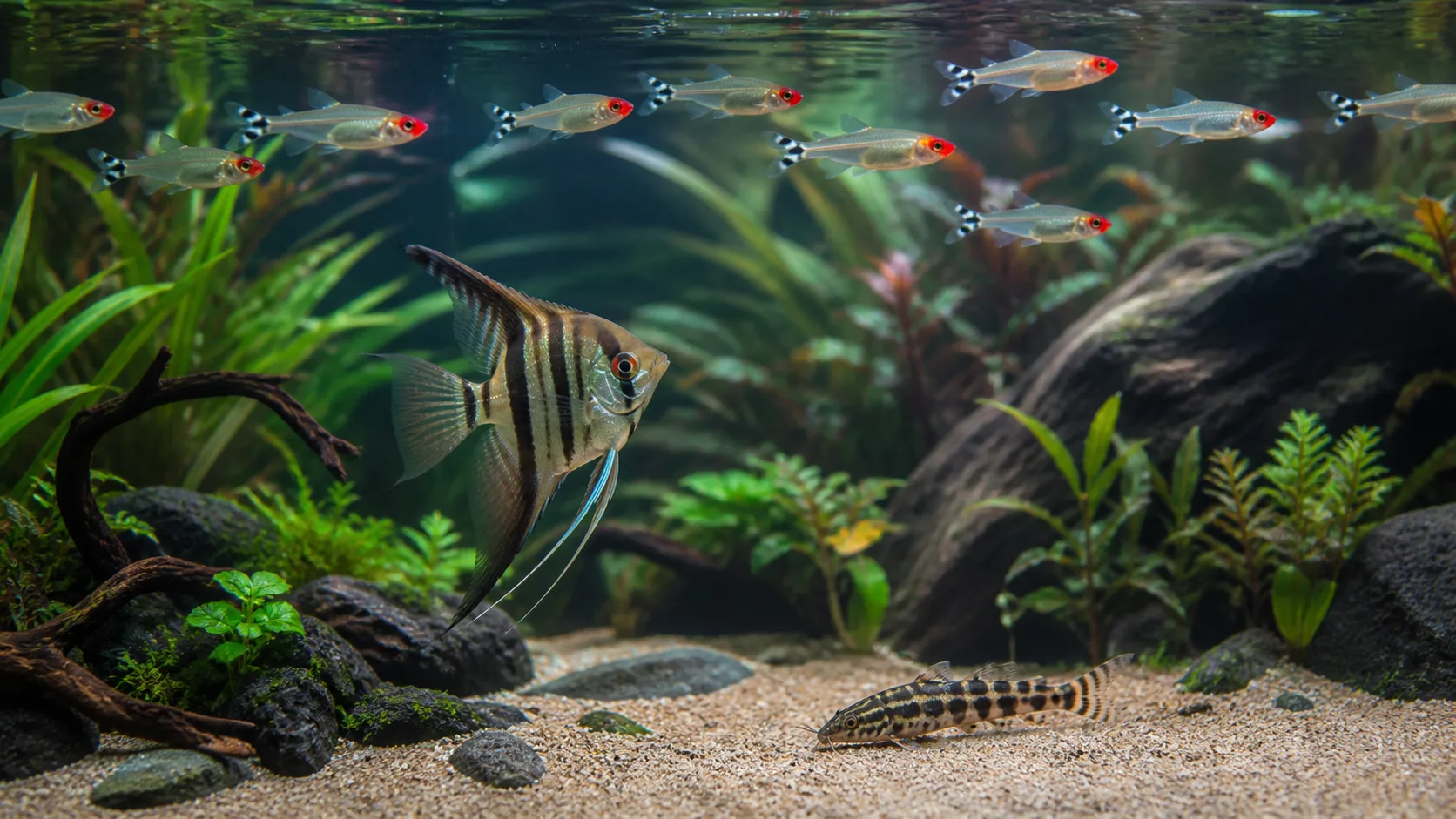
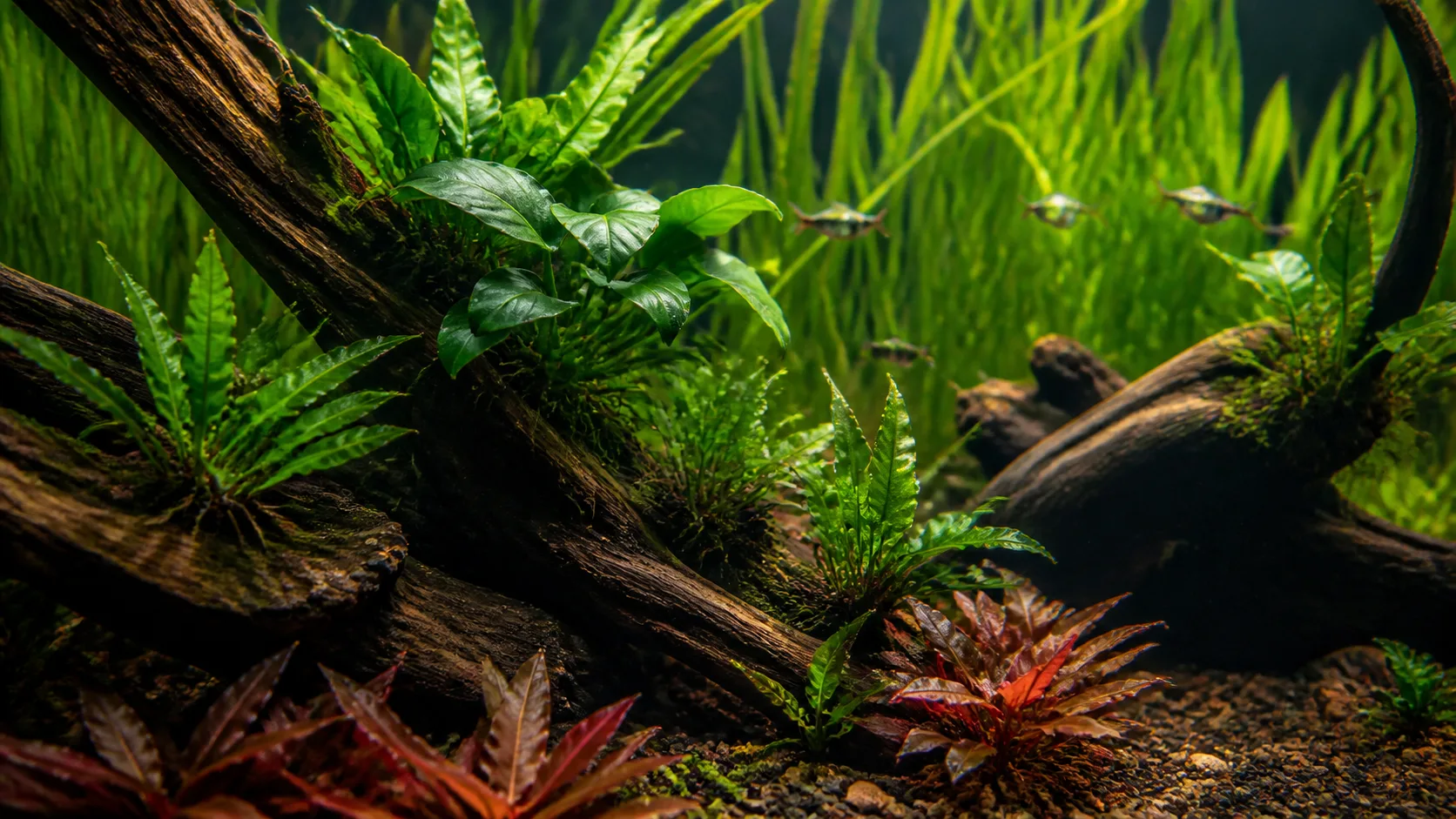
- Assuming a planted tank doesn’t need cycling. Heavily planted tanks cycle faster and gentler, but new fish still need the bacteria in place.
Frequently Asked Questions
How long does it take to cycle an aquarium?
A fishless cycle usually takes 3–6 weeks. Seeding the new filter with media from an established tank can cut that to 1–2 weeks. There’s no reliable way to make it instant.
Can I cycle a tank with fish already in it?
Yes, but it’s harder on the fish. You’ll need to test daily and do frequent water changes for several weeks to keep ammonia and nitrite near zero, and use a conditioner that detoxifies ammonia, not just chlorine.
Do I need a test kit to cycle a tank?
Effectively yes. Cycling is defined entirely by what your water tests show — ammonia and nitrite reaching zero while nitrate rises. Without testing you’re guessing, and guessing wrong kills fish.
Why has my nitrite been stuck high for weeks?
The nitrite stage is normally the slowest part of the cycle — the second bacteria colony is slower to establish than the first. As long as nitrate is slowly appearing, it’s still working. Keep testing and don’t do large water changes unless fish are present.
Does a planted tank still need to be cycled?
Yes. Live plants absorb some ammonia directly and speed the process up, and a heavily planted tank can be gentle enough to add a light fish load early — but the bacteria colony still needs to be established before you stock properly.
My tank finished cycling but ammonia came back after I added fish. What happened?
You added more bioload than the colony was sized for, triggering a mini-cycle. Feed lightly, test daily, and do small water changes until the numbers settle — it usually resolves within a week or two as the colony grows.
Conclusion
The nitrogen cycle feels like the boring part of setting up a tank, but it’s the part that determines whether the next year is easy or miserable. Grow the bacteria first, prove it with a test, and stock a tank that’s genuinely ready — your fish will be healthier for it, and you’ll spend far less time troubleshooting later.
If you’re setting up your first tank, our complete beginner setup guide walks through everything around the cycle, and you can pick up the dechlorinator, bio media, and thermometer you’ll need from our current stock.
Recommended Products
- Seachem Safe — powder dechlorinator
- Shield Plus Water Conditioner — detoxifies ammonia and nitrite for fish-in cycling
- Chlorine Remover Granules — budget crystalline dechlorinator
- Ceramic Bio Filter Media Bars — bacteria colonisation surface
- Digital LCD Thermometer
- Digital TDS Meter
Internal Link Map
- Water Parameters 101: Testing pH, Ammonia, Nitrite, and Nitrate
- How to Start Your First Freshwater Aquarium
- Aquarium Filtration Guide: Choosing the Right Filter
- Common Freshwater Fish Diseases and How to Treat Them
- Best Community Fish for a Freshwater Aquarium
- Seachem Safe
- Ceramic Bio Filter Media Bars