 Discus
 Cichlids
 Angelfish
 Plecos & Catfish
 Community & Nano Fish
 Shrimp, Snails & Invertebrates
 Low-Tech Plants
 Medium-Tech plants
 High-Tech Plants
 Live Corals

 Terrarium Kits & Jars
 Terrarium Plants & Moss
 Bioactive Clean-up Crew


 Smart Control Systems
 Lighting
 Filtration
 Heaters
 Chiller & Cooling Fans
 Thermometers
 Air Pumps
 Wavemaker
 Protein Skimmer

 CO2 Diffusers
 CO2 Accessories & Drop Checkers
 Liquid Carbon & CO2 Alternatives



 Soil & Substrate
 Driftwood & Rocks
 Caves & Clays

 Filter Media, Sponge & Replacement Parts
 Tubing & Connectors




Coral Care 101: Types of Reef Corals and How to Keep Them Thriving

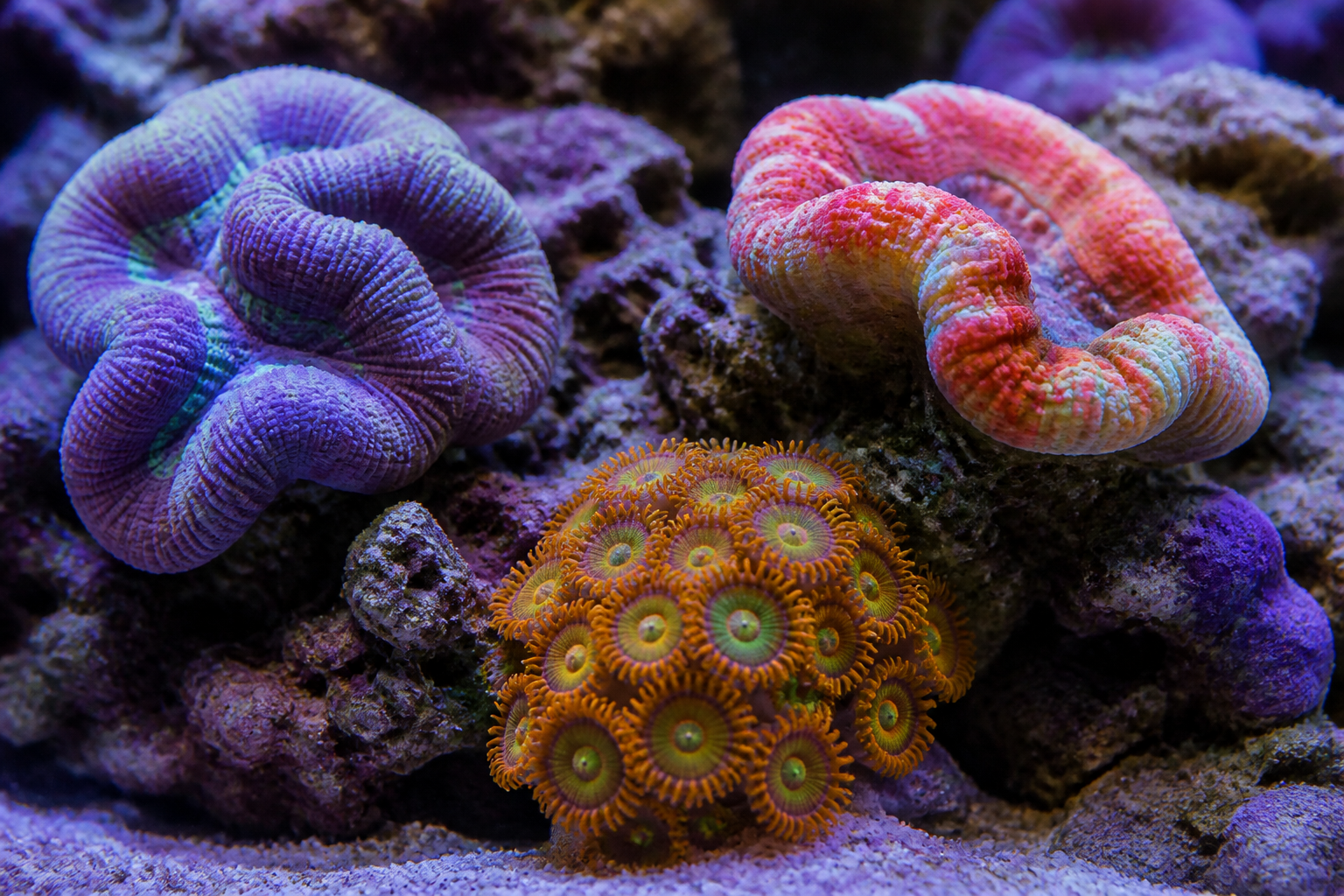
Table of Contents
- What a Coral Actually Is
- The Three Coral Types Compared
- Which Coral Should You Start With?
- What Your Tank Needs Before the First Coral
- Water Parameters for Reef Corals
- How to Acclimate a New Coral
- Feeding and Daily Care
- Keeping Corals Cool in a Hot Climate
- Handling and Safety
- Warning Signs and Common Mistakes
- FAQ
Coral Care 101: Types of Reef Corals and How to Keep Them Thriving
What a Coral Actually Is
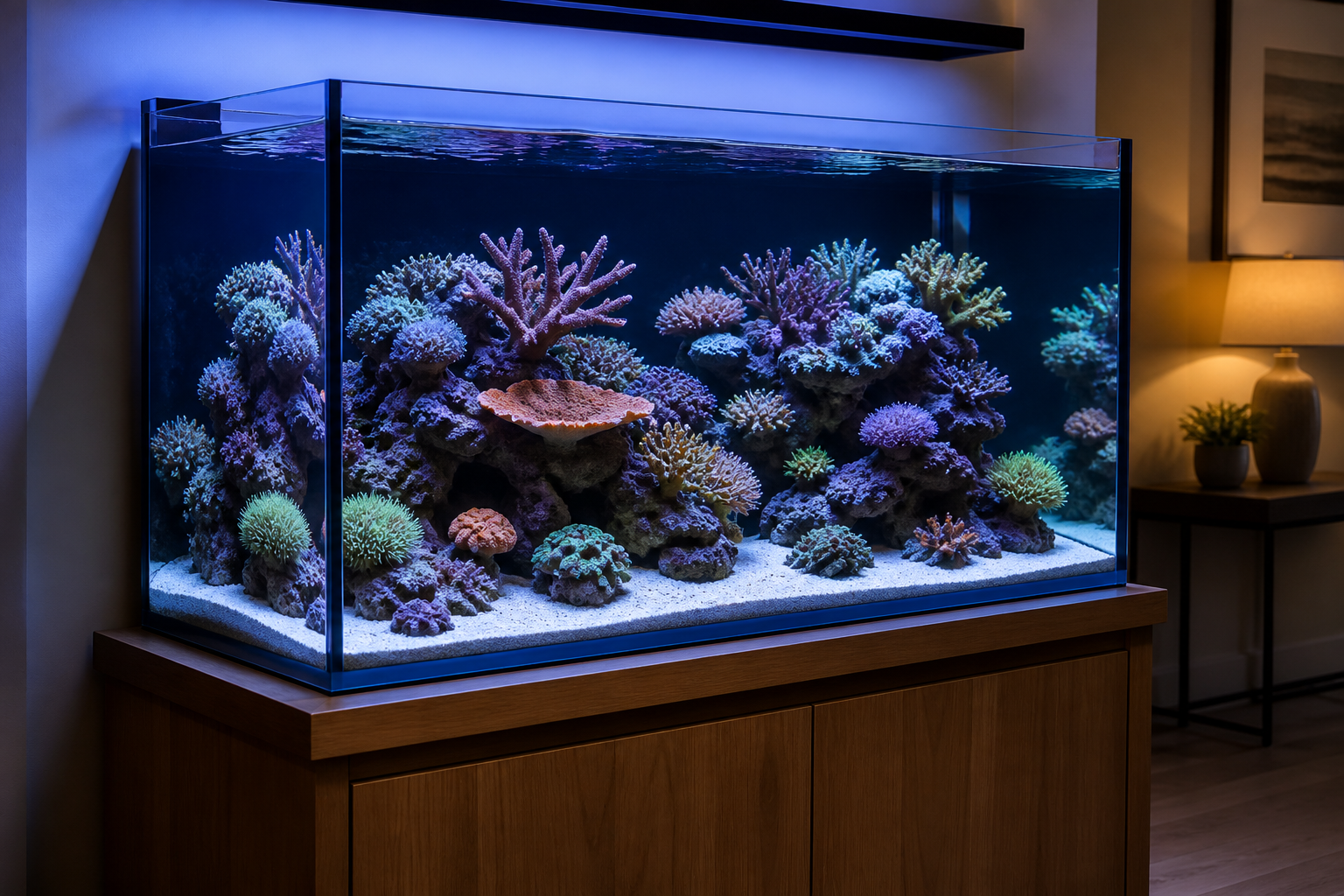
A coral is a colony of tiny animals called polyps. Most reef corals live in partnership with microscopic algae inside their tissue, and those algae turn light into food. That is why a coral needs three things at once: the right light, steady water flow to bring food and carry waste away, and stable water chemistry. If one of the three is off, the coral shows it within days by closing up, fading, or shedding tissue.
Reef keeping also builds on the same foundations as any aquarium. If the nitrogen cycle is new to you, read our nitrogen cycle guide first, because a saltwater tank has to be fully cycled before any coral goes in.
The Three Coral Types Compared
| Type | Difficulty | Light | Flow | Examples |
|---|---|---|---|---|
| Soft coral | Beginner | Low to high, by species | Moderate | Zoanthids, mushrooms, leathers |
| LPS (large polyp stony) | Beginner to intermediate | Moderate | Moderate | Acan, Lobophyllia, hammer, torch |
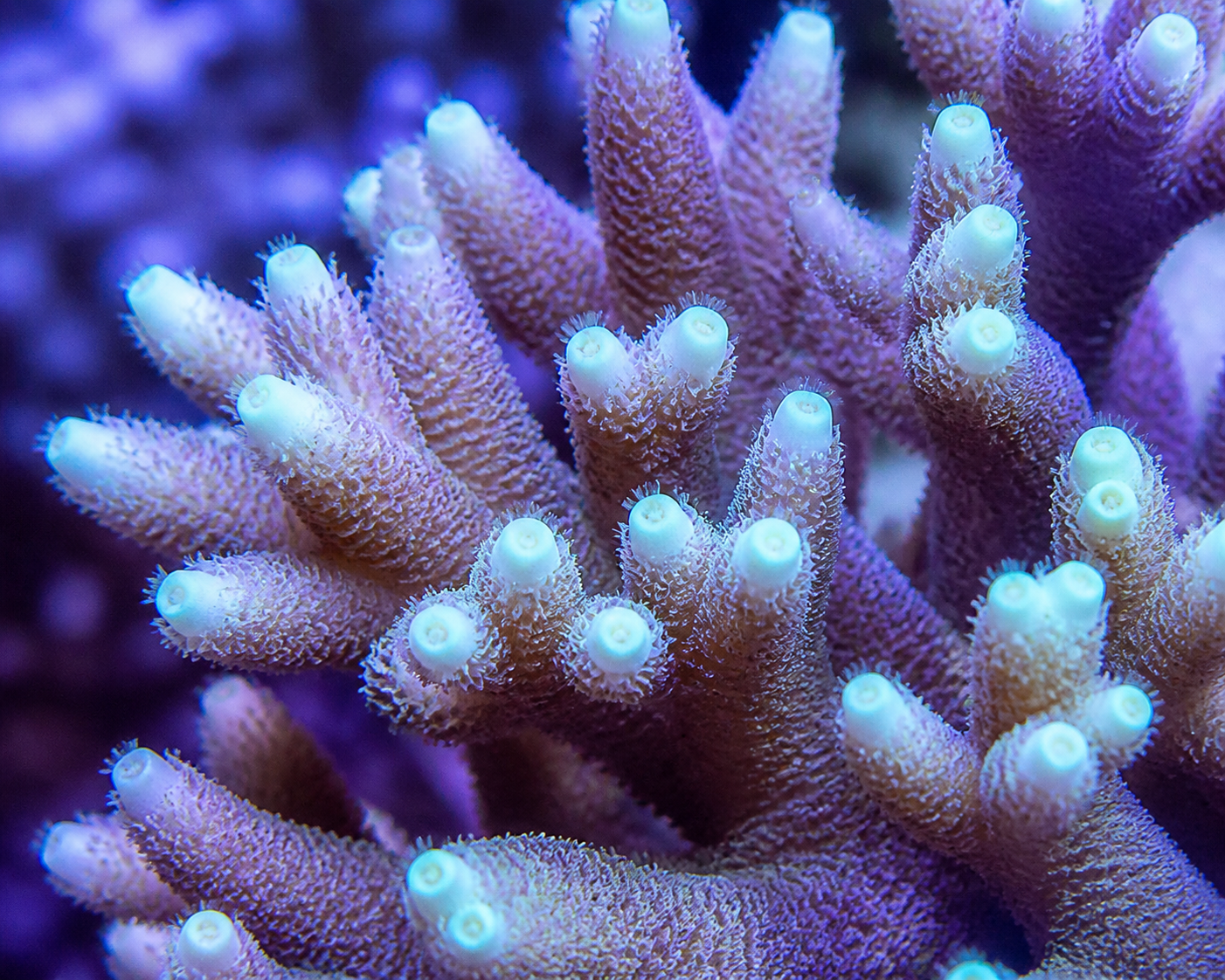
| SPS (small polyp stony) | Advanced | High | High, turbulent | Acropora, Montipora, Stylophora |
Soft Corals – The Forgiving Starter Group
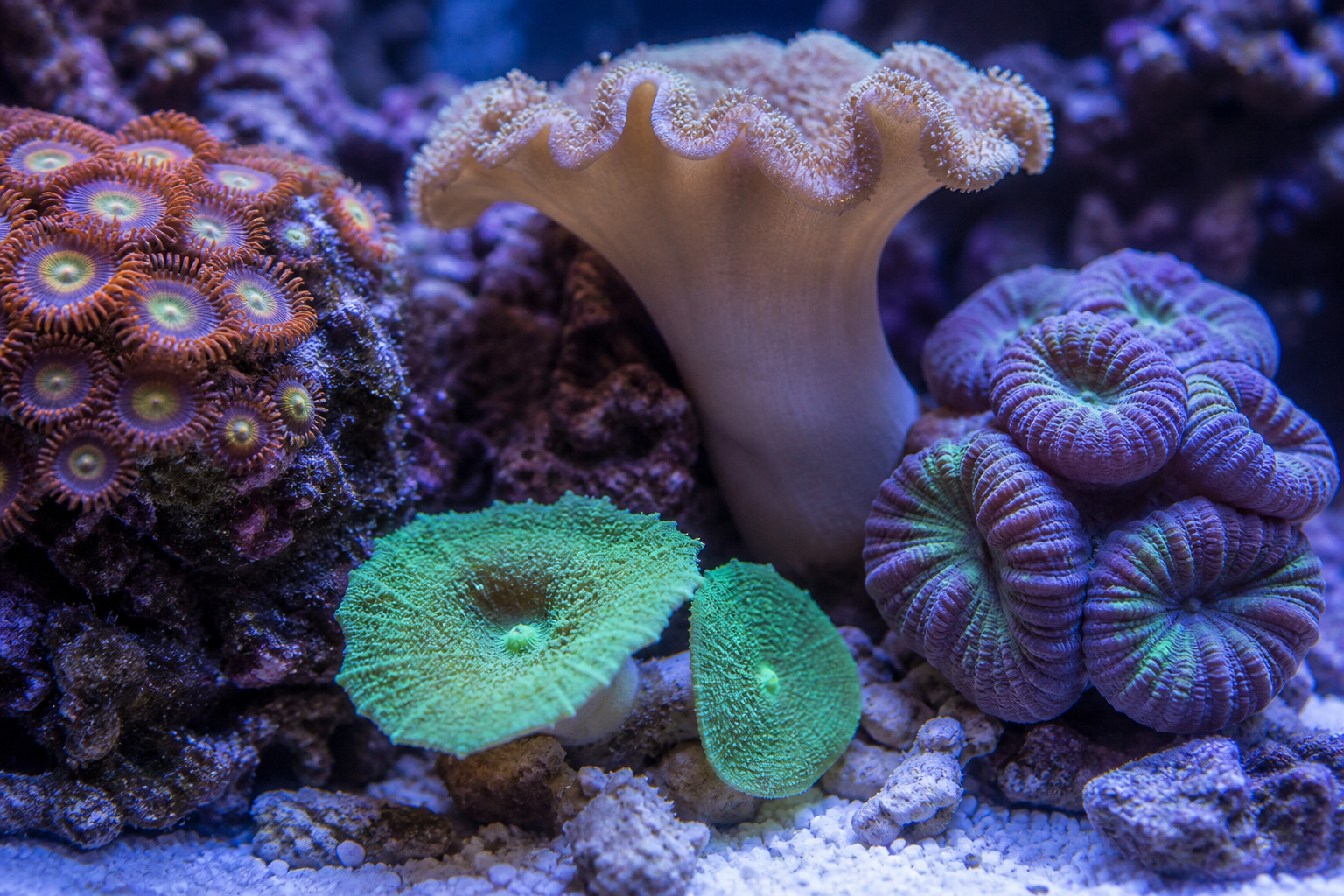
Soft corals have no hard skeleton, so they don’t draw down calcium and alkalinity the way stony corals do. That makes them far easier to keep. Zoanthids, often called “zoas,” form colorful carpets of tiny flower-like polyps and grow quickly in a stable tank. Mushrooms and leather corals are other common soft picks.
LPS Corals – Fleshy Showpieces
LPS corals build a hard skeleton topped with large, fleshy polyps. They are the sweet spot for many hobbyists: dramatic color and shape, with care that is manageable once the tank is stable. Acan brain coral shows ridged purple-and-green patterns and is considered easy in a steady reef. Lobophyllia has thick, fleshy folds in vivid colors and does best low in the tank with moderate light and flow.
SPS Corals – The Expert Tier
SPS corals, such as Acropora and Montipora, grow fast and look spectacular, but they need strong light, strong flow, and very steady alkalinity, calcium and magnesium. A swing that a soft coral shrugs off can make an SPS lose tissue. Treat SPS as the second or third step, not the first.
Which Coral Should You Start With?
- Brand-new reef tank, a couple of months old: start with zoanthids or another soft coral.
- Stable tank with a few soft corals already thriving: add an Acan or Lobophyllia.
- Months of rock-steady test results: only then consider SPS.
- Mixed tank: add one coral at a time, a few weeks apart, so you can see how the tank reacts before adding the next.
What Your Tank Needs Before the First Coral
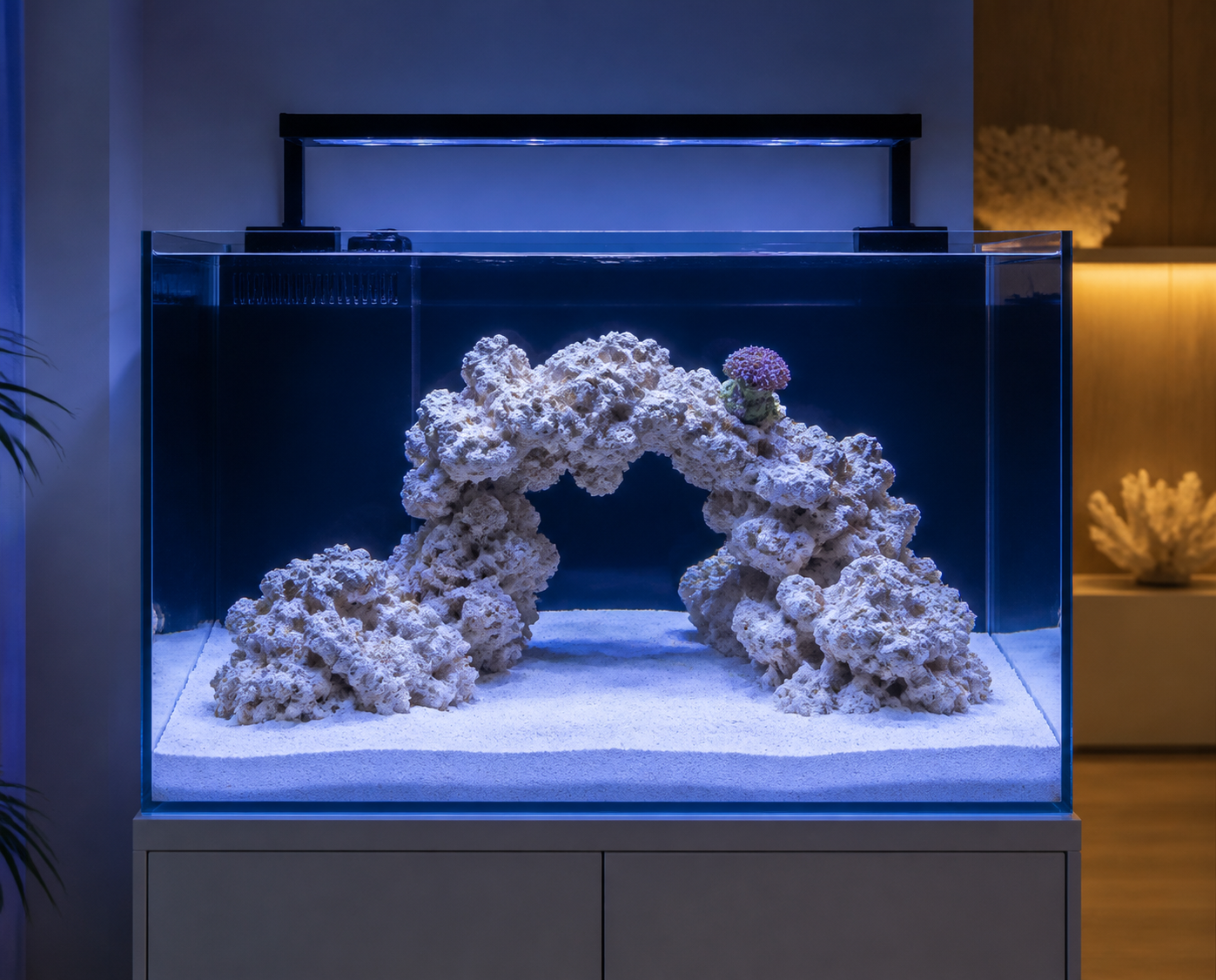
- A fully cycled, stable tank: most reef keepers wait roughly two months or more after the cycle finishes, until ammonia and nitrite read zero and nitrate stays low.
- Reef-grade salt and clean water: mix salt with RO/DI water. Tap water carries phosphate, silicate and chlorine that feed algae and stress corals.
- Reef lighting: corals need a light strong enough for their type. Choose lighting designed for reef tanks, not a freshwater plant light.
- Water movement: flow delivers food, removes waste and keeps tissue clean of debris. Dead spots are a common cause of tissue loss.
- Filtration that removes waste early: a protein skimmer pulls dissolved organics out before they break down into nitrate and phosphate.
- A heater and a cooling plan: a stable temperature protects corals more than a perfect one.
- Test kits and a refractometer: you cannot manage what you do not measure. Salinity, alkalinity, calcium and magnesium are the key readings.
Water Parameters for Reef Corals
Hobby sources differ by small amounts, so treat these as target ranges rather than exact numbers. The most important rule is that the readings stay steady from day to day.
| Parameter | Target range |
|---|---|
| Salinity | 1.025 specific gravity (about 35 ppt) |
| Temperature | 24–26°C |
| Alkalinity (KH) | About 8–11 dKH |
| Calcium | About 400–450 ppm |
| Magnesium | About 1,250–1,350 ppm |
| Nitrate | Low, roughly 2–10 ppm |
| Phosphate | Low but not zero |
Alkalinity, calcium and magnesium move together. Raising one without the others can throw the balance off, and stony corals use them up faster than soft corals do, so test more often after adding LPS or SPS. For the testing basics, see Water Parameters 101.
How to Acclimate a New Coral
- Dim the lights or place the coral in a shaded spot at first. New corals are often used to different lighting and can bleach under a sudden jump in intensity.
- Float the sealed bag for 15–20 minutes so the temperature matches.
- Add tank water to the bag slowly over 20–30 minutes so salinity and chemistry shift gradually.
- Inspect the coral for pests and damaged tissue before it goes in. Dipping and quarantine are worthwhile if you can manage them.
- Place it at its target height and spacing and check on it over the next days. Raise it toward brighter light in small steps over a couple of weeks.
Feeding and Daily Care
Corals get much of their energy from light, but many also benefit from food. LPS corals such as Lobophyllia respond well to spot feeding with small pieces of mysis or brine shrimp a couple of times a week, applied with a pipette or feeding tube while the polyps are open. Soft corals like zoanthids feed mostly from the water and light.
- Daily: check polyp extension, color and tissue, top off evaporated water with fresh RO/DI water only, and confirm temperature.
- Weekly: test salinity, alkalinity, calcium, magnesium and nitrate, and do a small water change with salinity-matched saltwater. Our water change guide covers the routine.
- Monthly: clean the skimmer, wave maker and return pump, and check equipment for wear.
- Space: leave room between neighbors. Some corals extend stinging tentacles at night and can burn the coral beside them.
Keeping Corals Cool in a Hot Climate
Heat is the biggest seasonal threat to reef tanks in a place like Cairo. When water runs warmer than the coral is used to, the algae inside it can be expelled, which is called bleaching. Keep the tank in the cooler part of the room, avoid direct sun, and run air conditioning where you can. An evaporation fan is a low-cost extra, but it increases evaporation, so top off with RO/DI water daily or salinity will creep up. We cover this in detail in How to Cool Your Aquarium in Summer Heat.
Handling and Safety
Treat every coral with care, and treat zoanthids with extra respect. Some zoanthids contain a potent toxin. Wear gloves and eye protection when handling or fragging them, keep them away from cuts, and never touch your face while working. Wash your hands afterward. Do not boil, scrape or dry zoanthids, since toxins can become airborne.
Warning Signs and Common Mistakes
- Pale or white coral: bleaching from heat, too much light, or a sudden change. Lower the light or temperature and keep the water steady.
- Tissue receding from the skeleton: often a chemistry swing, poor flow, or damage from a neighbor. Test your parameters and check spacing.
- Polyps staying closed for days: stress. Check temperature, salinity, nutrients and nearby corals.
- Adding too many corals at once: the tank can’t adjust. Add one at a time.
- Chasing numbers: constant dosing to hit a perfect value causes bigger swings than leaving a slightly off but stable reading alone.
- Using tap water: a steady source of phosphate and silicate, and a common cause of algae.
Frequently Asked Questions
Zoanthids and other soft corals are the most forgiving, with Acan brain coral a good first LPS once your tank is stable.
LPS corals have large fleshy polyps and moderate needs. SPS corals have tiny polyps, grow fast, and need strong light, strong flow and very stable chemistry.
Wait until the tank is fully cycled and the readings have stayed stable. Many keepers wait around two months or longer.
Aim for 24–26°C and keep it steady. Sudden swings and heat spikes cause more harm than a slightly different but stable value.
Many get most of their energy from light, but LPS corals such as Lobophyllia benefit from spot feeding with mysis or brine shrimp.
No. Reef corals are marine animals and need saltwater with the proper salinity and chemistry.
White or pale coral usually means bleaching from heat, intense light or a sudden change. Correct the cause, keep conditions stable, and give it time.
Conclusion
Pick the coral type to match your experience, build a stable tank first, and add corals slowly. Soft corals and hardy LPS reward patience, and stability will do more for them than any gadget.
Recommended Products
- Zoanthid Coral Live
- Acan Brain Coral
- Lobophyllia Coral
- Jebao RW-4 Wave Maker Pump
- Bubble Magus Curve 5 Protein Skimmer
- Marine & Reef Aquarium Maintenance