
 Discus
 Cichlids
 Angelfish
 Plecos & Catfish
 Community & Nano Fish
 Shrimp, Snails & Invertebrates

 Low-Tech Plants
 Medium-Tech plants
 High-Tech Plants

 Live Corals


 Terrarium Kits & Jars
 Terrarium Plants & Moss
 Bioactive Clean-up Crew


 Smart Control Systems
 Lighting
 Filtration
 Heaters
 Chiller & Cooling Fans
 Thermometers
 Air Pumps
 Wavemaker
 Protein Skimmer

 CO2 Diffusers
 CO2 Accessories & Drop Checkers
 Liquid Carbon & CO2 Alternatives





 Soil & Substrate
 Driftwood & Rocks
 Caves & Clays

 Filter Media, Sponge & Replacement Parts
 Tubing & Connectors






Reef Water Chemistry Explained: Alkalinity, Calcium and Magnesium

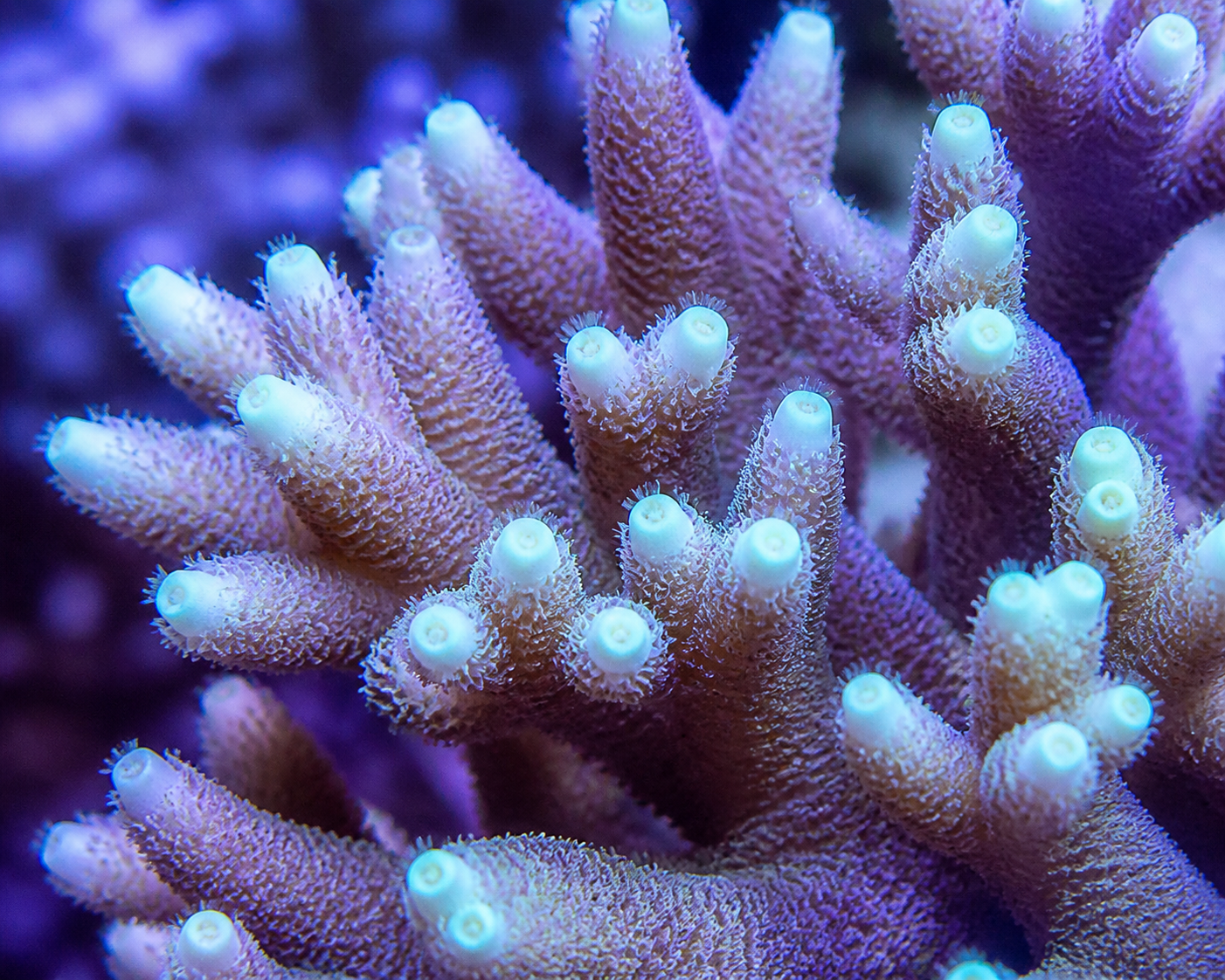
Table of Contents
- Why Chemistry Matters on a Reef
- The Big Three: Alkalinity, Calcium, Magnesium
- The Supporting Numbers
- Target Ranges at a Glance
- How and When to Test
- Replacing What Corals Use Up
- Dosing Safely
- Troubleshooting by Symptom
- Cairo Summers and Chemistry
- FAQ
Reef Water Chemistry Explained: Alkalinity, Calcium and Magnesium
Why Chemistry Matters on a Reef
Stony corals, which include LPS and SPS types, build their skeletons from calcium carbonate. To do that they pull calcium and carbonate alkalinity out of the water, and they need magnesium to keep those two dissolved instead of crashing out as crust. Soft corals such as zoanthids do not build a heavy skeleton, so they use far less, which is one reason they are easier for beginners.
The key idea is that a reef tank is a closed box. Whatever the corals consume does not come back on its own, and that is why numbers drift downward over days. Your job is to measure the drift and replace what was used, gently and steadily. If you have not set up your tank yet, start with our reef setup guide.
The Big Three: Alkalinity, Calcium, Magnesium
Alkalinity (KH) – The Number That Matters Most
Alkalinity measures the water’s carbonate “buffer.” It is the raw material for coral skeletons and it also keeps pH from swinging. A target of about 8–11 dKH suits most reefs, and many beginners do well holding steady near the lower-middle of that range. Alkalinity is consumed fastest and changes fastest, so a stable alkalinity matters more than hitting a high one.
You will see three units. As a conversion, 1 meq/L equals about 2.8 dKH, and 1 dKH equals about 17.9 ppm. Check which unit your test kit reports so you compare like with like.
Calcium – The Building Block
Natural seawater holds roughly 410–420 ppm of calcium at a salinity of 35 ppt, and a reef target of about 400–450 ppm suits most tanks. Calcium usually moves more slowly than alkalinity, because the tank holds a lot of it compared with what corals take each day.
Magnesium – The Quiet Referee
Magnesium keeps calcium and alkalinity from precipitating out of the water as cloudy crust. A target of about 1,250–1,350 ppm is typical. If magnesium runs low, you will find calcium and alkalinity hard to hold in range, no matter how much you dose. Test it every so often and correct it before chasing the other two.
How the Three Move Together
When a stony coral grows, it consumes calcium and alkalinity together, in a fixed ratio. In practice, dropping alkalinity by 1 dKH goes with using up roughly 7 ppm of calcium. Because seawater holds so much calcium and relatively little alkalinity, alkalinity is the one that runs out first. That is why most reef keepers watch alkalinity most closely and calcium less often.
The Supporting Numbers
- Salinity: keep it near 1.025 specific gravity (about 35 ppt), measured with a refractometer. Calcium, magnesium and alkalinity all scale with salinity, so a drifting salinity makes every other reading drift too.
- Temperature: 24–26°C, steady. Warm water holds less oxygen and stresses corals long before it kills them.
- pH: roughly 8.0–8.4, with a small daily rise and fall. A pH that sits very low usually points to low alkalinity or poor gas exchange.
- Nitrate: low but not zero, roughly 2–10 ppm. High nitrate feeds algae; zero can leave corals pale.
- Phosphate: low but not zero, roughly 0.01–0.08 ppm. Too much fuels algae that can smother coral.
The simple “ammonia, nitrite and nitrate” tests in our Water Parameters 101 guide still apply to a reef. The reef-specific numbers are the extra layer on top.
Target Ranges at a Glance
Hobby sources differ slightly, so treat these as ranges, not exact lines. What matters is that the readings stay steady from day to day.
| Parameter | Target | What it does | If it drifts |
|---|---|---|---|
| Alkalinity | 8–11 dKH | Skeleton material, pH buffer | Slow growth, tissue loss, pH swings |
| Calcium | 400–450 ppm | Skeleton building block | Stunted stony coral growth |
| Magnesium | 1,250–1,350 ppm | Keeps Ca and alkalinity dissolved | Cloudy water, hard to hold Ca and alk |
| Salinity | 1.025 (35 ppt) | Base for every other value | Osmotic stress, all readings shift |
| Nitrate | About 2–10 ppm | Nutrient for algae and zooxanthellae | High: algae. Zero: pale corals |
| Phosphate | About 0.01–0.08 ppm | Nutrient, also affects skeleton growth | High: algae. Very low: stalled growth |
How and When to Test
- New tank, soft corals only: test alkalinity, calcium, magnesium, salinity and nitrate weekly.
- After adding a stony coral: test alkalinity daily for the first week so you see how fast the tank uses it.
- Established stony-coral tank: test alkalinity every few days, and calcium and magnesium weekly.
- Test at the same time of day, because alkalinity and pH shift slightly through the lighting cycle.
- Write every result down. The trend tells you more than any single reading, and a log makes a slow downward drift obvious before corals show it.
- Use fresh reagents and follow the instructions exactly, including the sample volume and timing. Old or sloppy tests are the most common reason for “mystery” readings.
- Double-check surprising results by testing again, or with a second kit, before you react.
Replacing What Corals Use Up
There are three levels of reef chemistry management, and most keepers move up as their coral collection grows.
- Water changes only: a regular change with fresh, properly mixed saltwater replenishes calcium, magnesium and alkalinity together. For a tank with mostly soft corals or a few small LPS, this is often enough. Our water change guide covers the routine.
- Supplements: when stony corals use more than water changes replace, you add calcium and alkalinity separately, using a “two-part” solution or an all-in-one supplement, following the product’s directions.
- Automation: larger or SPS-heavy tanks often move to automatic dosing pumps, a calcium reactor, or kalkwasser (limewater) added through the top-off water, so supply tracks consumption without daily manual work.
Whatever you choose, the supplement should match measured consumption, not a calendar. Dosing a fixed amount “just in case” is how numbers climb out of range.
Dosing Safely
- Test first, then dose. Never add a supplement without a fresh reading.
- Change one parameter at a time. Adjust alkalinity or calcium, retest, then move on.
- Small steps: raise alkalinity by well under 1 dKH per day, and spread larger corrections over several days.
- Add solutions slowly, into a high-flow area such as near a pump outlet, so they mix at once rather than forming a cloud.
- Keep calcium and alkalinity doses apart in time and place. Dosed together in a still spot they can precipitate, leaving cloudy water and lower readings than you expected.
- Fix magnesium first if it is low, because low magnesium makes the other two hard to hold.
- Follow the product label, and remember that “more” is never the answer in a closed system.
Flow matters here too. Strong, even circulation mixes anything you add and carries nutrients to every coral, which is why a wave maker is a core piece of reef equipment.
Troubleshooting by Symptom
| What you see | Likely chemistry cause | First step |
|---|---|---|
| Stony coral losing tissue | Alkalinity swing or a drop | Test alkalinity now and stop any large corrections |
| Slow or stalled growth | Low alkalinity, calcium or magnesium | Test all three and fix magnesium first if low |
| Cloudy white water after dosing | Precipitation from dosing too fast or too close together | Pause dosing, increase flow, retest in a day |
| Pale or bleached coral | Heat, too much light, or nutrients that are too low | Check temperature, then nitrate and phosphate |
| Algae outbreak | High nitrate or phosphate | Test both, water change, check skimmer and feeding |
| Every reading keeps drifting | Salinity is moving, often from evaporation | Check salinity and top off with fresh RO/DI water |
Cairo Summers and Chemistry
Hot weather affects chemistry in two ways. First, evaporation speeds up, which pushes salinity and every dissolved value upward if you do not top off with fresh RO/DI water. Second, warmer water holds less oxygen and puts corals under stress, so a small chemistry slip hurts more. Keep the tank cool, top off daily, and read How to Cool Your Aquarium in Summer Heat before the first heatwave. Evaporative fans work, but they raise evaporation further, so check salinity more often when you use them.
Frequently Asked Questions
Alkalinity. It is consumed fastest, it drives pH stability, and sudden swings are the most common chemistry cause of stony coral problems.
Roughly 8–11 dKH for most reefs. Choose a value in that range and hold it steady rather than chasing the top of it.
Weekly for a soft-coral tank, every few days for alkalinity in a stony-coral tank, and daily for the first week after adding a new stony coral.
Usually very little. A tank with mostly soft corals is often maintained with regular water changes and weekly testing.
Calcium and alkalinity supplements can precipitate if added too fast or in the same spot. Slow down, add them in a high-flow area, and separate the doses.
They are different units for alkalinity. As a conversion, 1 meq/L equals about 2.8 dKH, and 1 dKH equals about 17.9 ppm.
A large change can shock corals if the new water differs from the tank. Make corrections gradually, and match salinity and temperature when you change water.
Conclusion
Three numbers, one habit. Keep alkalinity, calcium and magnesium in range and steady, test on a schedule, log the results, and dose only what you have measured. A reef that never swings is a reef where corals grow.
Recommended Products
- Marine & Reef Aquarium Maintenance
- Bubble Magus Curve 5 Protein Skimmer
- Jebao RW-4 Wave Maker Pump
- Aquarium Cooling Fan Set
- Acan Brain Coral
Related Articles
- Coral Care 101: Types of Reef Corals and How to Keep Them Thriving
- Saltwater Reef Tank Setup Guide: From Empty Glass to First Coral
- Best Beginner Corals for Your First Reef Tank
- Water Parameters 101: Testing pH, Ammonia, Nitrite, and Nitrate
- How Often Should You Change Your Aquarium Water?
- How to Cool Your Aquarium in Summer Heat